
American Heart Association Dietary Guideline Review

The 2025–2030 Dietary Guidelines for Americans (DGAs) are out, and anyone interested in nutrition knows they shape everything from school meals to federal policy to clinical guidance. But what do the experts actually think? Enter the American Heart Association (AHA) — the authority on heart health — which issued a response highlighting both wins and areas that need a closer look.
Here’s a breakdown of what they love, what they question, and why it matters for your heart.
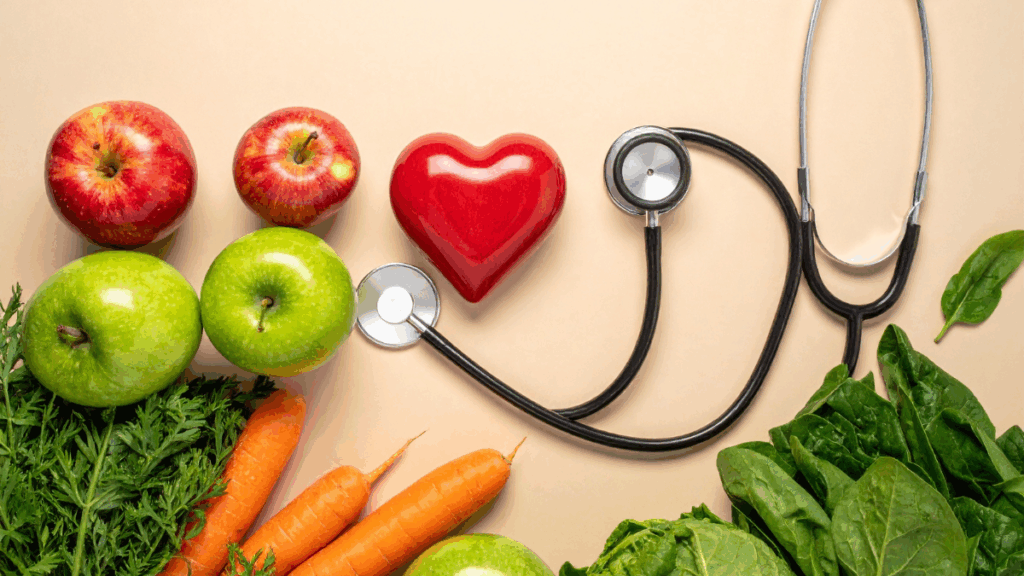
What the AHA Loves
Some parts of the DGAs line up perfectly with decades of research on heart health.
Whole, Nutrient-Dense Foods
The AHA praises the emphasis on fruits, vegetables, and whole grains. Research consistently shows these foods lower cardiovascular risk, improve lipid profiles, and support healthy blood pressure. Fiber, antioxidants, potassium, and polyphenols all contribute to these benefits.
Limiting Added Sugars & Refined Grains
Cutting down on added sugars and refined grains reduces the risk of type 2 diabetes and metabolic syndrome — all contributors to heart disease. For example, research links high sugar-sweetened beverage intake with higher rates of cardiovascular events.
Reducing Highly Processed Foods
Ultra-processed foods are often high in sodium, sugar, and saturated fat, and low in fiber and nutrients. Diets rich in these foods are associated with higher blood pressure, inflammation, and cardiovascular disease. The AHA supports guidance that encourages minimizing these items.

Where the AHA Wants More Clarity
The guidelines also leave room for interpretation, and the AHA points out areas that could confuse the public or unintentionally encourage less heart-healthy choices.
⚠ Sodium & Red Meat
The DGAs suggest moderation in sodium and red meat, but the wording may underemphasize the risk of exceeding limits. Excess sodium intake is strongly linked to hypertension — a primary driver of cardiovascular disease. For context, the American Heart Association recommends <2,300 mg sodium/day, ideally closer to 1,500 mg/day for optimal heart health.
High consumption of certain red meats, especially processed varieties, is associated with increased LDL cholesterol, inflammation, and cardiovascular events. The caution here is that the guideline’s language might not clearly convey how much is too much, leaving room for misinterpretation.
⚠ Whole-Fat Dairy Recommendations
The DGAs highlight whole-fat dairy as an option, but the AHA continues to recommend low-fat or fat-free dairy for heart health. Research shows that replacing saturated fats (found in whole-fat dairy) with unsaturated fats (from nuts, seeds, avocado, olive oil) improves LDL cholesterol and reduces cardiovascular risk.
The concern isn’t that whole-fat dairy is “bad” in small amounts — it’s that broad messaging could lead to higher saturated fat intake across the population, especially if paired with red meat or processed foods.
⚠ Protein Source Guidance
The DGAs recommend protein, but the AHA emphasizes lean, plant-based, and seafood sources over high-fat meats. Why? Because protein source matters for heart health:
- Plant proteins and seafood are linked with lower LDL cholesterol, reduced inflammation, and better cardiovascular outcomes.
- High-fat animal proteins can raise LDL cholesterol and contribute to cardiovascular risk.
It’s not about cutting protein — it’s about choosing the right sources.
⚠ Low-Calorie Sweeteners & Food Dyes
The guidelines advise moderation with non-nutritive sweeteners and mention synthetic food dyes. The AHA notes that:
- Evidence supports low-calorie sweeteners are generally safe within acceptable daily intake levels.
- Sensitivity to food dyes appears rare and inconsistent, mostly in children, so broad restrictions may not be necessary.

Why This Matters for Your Heart
These guidelines aren’t just suggestions on paper — they influence school meals, hospital menus, public health campaigns, and what nutrition professionals recommend.
The AHA’s response reminds us:
- Eat more whole, minimally processed foods
- Limit added sugar, refined grains, and ultra-processed foods
- Be mindful of saturated fat and sodium intake
- Prioritize lean and plant-based protein sources
Following these patterns is strongly supported by decades of peer-reviewed research for reducing cardiovascular risk.
Takeaway
The AHA:
✅ Loves the focus on whole foods, less sugar, and fewer processed items
⚠ Cautions about sodium, red meat, whole-fat dairy, and protein sources that could inadvertently raise cardiovascular risk
Bottom line? The safest path for heart health remains filling your plate with plants, whole grains, and heart-smart proteins, minimizing ultra-processed foods, added sugars, and excess saturated fat. This doesn’t mean never eating them, it’s more about being intentional about incorporating the nutrient rich options. This approach is evidence-backed, flexible, and realistic — no gimmicks required.

Morning Report Podcast
A short-and-sweet minute morning episode Monday-Friday covering all 3 daily news stories. Exclusively in the Looli App.