
Time-Restricted Eating: Is It the Clock or Just Mindfulness?

You’ve seen it everywhere: “Eat only between 10 a.m. and 6 p.m. and your metabolism will thank you.” Maybe you’ve tried it yourself, thinking a few hours could magically melt fat or stabilize your blood sugar. But recent research is telling us: it’s not the clock doing the work — it’s the attention you pay while you eat.
What the New Study Actually Showed
A recent study looked at adults who ate the same number of calories in different time windows — early (8 a.m.–4 p.m.) versus late (1 p.m.–9 p.m.).
The result? No meaningful improvements in weight, blood sugar, insulin sensitivity, or cholesterol. The only thing that shifted was people’s internal body clocks — their circadian rhythms moved a bit depending on when they ate.
Bottom line: TRE alone, without any calorie change, doesn’t supercharge metabolism as some claim.
How Other Studies “Show” Benefit
Here’s the thing — lots of TRE research looks promising at first glance. People see weight loss, better glucose control, and lower insulin levels. But almost none of those studies kept calories exactly the same.
What usually happens? People naturally eat less, mostly because there’s less time to snack — especially late at night. And sometimes, other subtle changes happen without even realizing it:
- More structured meals, fewer random snacks
- Slightly more movement or walking
- Shifts in what they eat — more protein, more fiber, maybe a bit more fruit or veggies
All of this adds up. The “magic” of TRE isn’t the hours — it’s how people behave within those hours.

Mindfulness Over Magic
The truth is, TRE’s benefits often come from becoming more mindful, not being restricted by the clock. You don’t need a rigid schedule to see results — in fact, forcing yourself into a strict window can backfire.
Try this instead:
- Pause before eating: “Am I actually hungry, or just bored or stressed?”
- Ask if it will satisfy you: “Will this snack leave me feeling good, or just temporarily full?”
- Notice patterns: track late-night cravings — are they real hunger or just habit?
That’s where TRE really shines — it gives structure and encourages awareness, which naturally leads to better eating habits.

What This Means for You
Instead of putting a lock pad on the fridge at night try this:
- Plan meals and snacks into your day (you can snag our meal planning guide here for step-by-step guidance from our dietitians)
- Notice habits and patterns of when you tend to eat when not hungry, like in the evening or when simply needing a break from work
- Be pro-active and schedule in some self-care time to help “hit the spot” without getting uncomfortably full
- If you’re hungry or have a craving… EAT! Depriving yourself does more damage than just enjoying it and satisfying your desire.
It’s about mindfulness and intention, not restriction.
The Bottom Line
Time-restricted eating can be helpful to some — but mostly because it makes you more aware of your habits, reduces mindless snacking, and naturally trims calories. The clock itself isn’t magic; your awareness is.
Morning Report Podcast
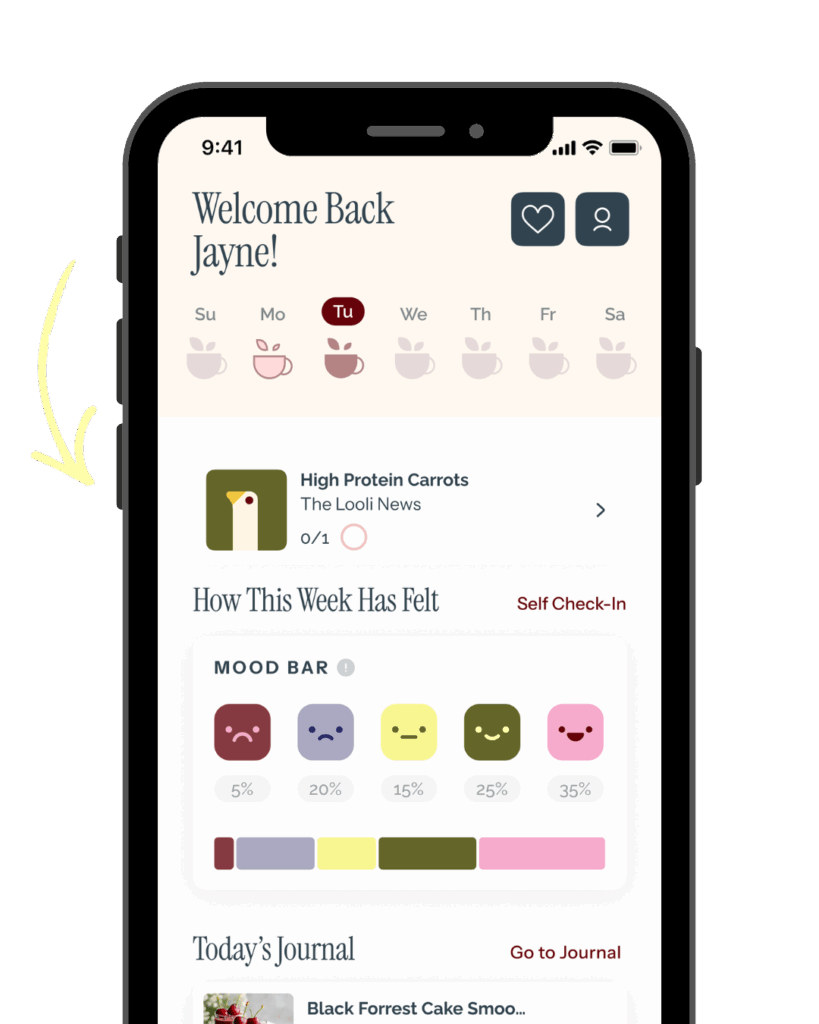
A short-and-sweet minute morning episode Monday-Friday covering all 3 daily news stories. Exclusively in the Looli App.