

We Tested 5 Popular Sleep Products, Here’s What We Found
If your TikTok feed has convinced you that better sleep is just one gadget, supplement, or hack away, you’re not alone. From sunlight glasses to mouth tape to CBD gummies, sleep products are everywhere—and they all promise deeper rest, better energy, and fewer groggy mornings.
But do they actually work?
We reviewed some of the most talked-about sleep tools on the internet and looked at what research says about whether they help, who they’re best for, and what to realistically expect.
Why Sleep Products Are Having a Moment
Sleep has quietly become one of the biggest wellness conversations of the past few years…and for good reason. Poor sleep doesn’t just leave you tired. Research consistently shows it affects mood, focus, metabolism, hunger hormones, immune function, and stress levels.
When sleep is short or disrupted:
- cortisol (your stress hormone) tends to run higher
- hormones that regulate hunger and fullness—ghrelin and leptin—get thrown off
- insulin sensitivity can be reduced
What this can translate to: you’re more likely to feel stressed, snacky, irritable, and out of sync with your body.
That’s why so many people are searching for tools that promise better sleep without a complete lifestyle overhaul.
Subscribe To The Daily news
We dig into the headlines and give you the need-to-know facts… without the fear mongering click bait.
Sleep Products We Tested:
1. Sunlight Glasses: The Circadian Rhythm Reset
“I was honestly shocked at how much of a difference I felt with these! I used them consistently for 15 minutes within ~10-20 minutes of waking up and I actually started popping out of bed (and feeling refreshed and awake) just before my alarm… my body felt so naturally regulated on it’s own!”
Glasses Trialed: MEINNO 10000 Lux Light Therapy Glasses
Sunlight glasses are essentially wearable light therapy. They’re designed to mimic bright morning sunlight, which plays a key role in regulating your circadian rhythm—your body’s internal clock.
Research shows that bright light exposure early in the day can help shift the circadian rhythm earlier, making it easier to fall asleep at night and wake up feeling more alert, and can influence melatonin rhythms associated with sleep timing and mood.
Morning light also helps suppress melatonin at the right time and supports healthier daily hormone rhythms related to alertness and sleep.

Clinical studies have found light therapy especially helpful for people with Seasonal Affective Disorder, delayed sleep phase syndrome, shift work schedules, or low morning energy, and bright light exposure is a common recommendation in clinical guidelines for phototherapy.
Most clinical guidelines recommend light exposure at an intensity of approximately 10,000 lux for 20–30 minutes within the first hour of waking.
When used consistently, particularly during darker months or in low-light environments, wearable light therapy may be a useful tool for supporting circadian health.
When it’s not worth it: If someone is sensitive to bright light, finds the glasses uncomfortable, or simply forgets to wear them consistently, the benefit may be negligible. For those who naturally get plenty of morning light, adding a device may not make a noticeable difference — in these cases, spending time outside in natural sunlight could be just as effective.
2. Mouth Tape: Popular, Promising, but Not Fully Proven
“This one… I couldn’t get used to. I felt like it actually kept waking me up and I slept worse overall. I get that it works for some people but I can’t say I’m one of them. Maybe I’ll try again another time to see if I can get used to it.”
Similar Tape Trialed: 30Pcs Gentle Mouth Premium Clear Tape
Mouth taping has exploded on social media, with claims ranging from less snoring to deeper sleep to better jawlines (that last one is… ambitious). The idea is simple: gently taping the mouth encourages nasal breathing overnight instead of mouth breathing.
There is solid research showing that nasal breathing is generally more efficient during sleep — it helps humidify and filter air, supports nitric oxide production, and may improve oxygen delivery and sleep efficiency compared with mouth breathing, which has been linked to snoring and poorer sleep quality. Improvements in sleep and snoring have been reported when nasal airflow is facilitated at night.
However, research on mouth taping itself is still limited. A small 2022 study of people with mild obstructive sleep apnea found that mouth taping reduced snoring frequency and severity and improved apnea measures compared with baseline.
While some small studies show benefit in specific contexts (like mild OSA), overall clinical evidence is minimal, and reviews of the research note mixed results and limited applicability.
When it’s not worth it: Some people may find the tape uncomfortable, anxiety-inducing, or disruptive if they wake during the night. If using it causes more wake-ups or stress than benefit, it’s likely not worth continuing. Sleep quality is the priority, so if mouth tape is distracting, skip it and focus on other strategies like positional adjustments or nasal strips.
3. CBD (and Friends): Helpful for Relaxation, Not a Sleep Switch
“When taken consistently I did notice a more relaxed evening, like my anxious brain was able to turn off of busy mode. But the consistency part is key. Whenever I started to miss it often the effects reduced. They were also a tasty little evening treat though!”
Sleep Gummies Trialed: Equilibria CBD Sleep Gummies
CBD (cannabidiol) is a non‑psychoactive compound found in cannabis plants. Unlike THC, it doesn’t produce a “high,” and many people use it for relaxation, stress relief, and sleep support.
CBD has become a go‑to supplement for people who feel “tired but wired” at night, and research suggests it may support sleep indirectly by reducing anxiety and promoting relaxation rather than acting as a sedative.
A 2019 study found that many participants reported improved sleep after taking CBD, particularly those with anxiety‑related sleep issues.
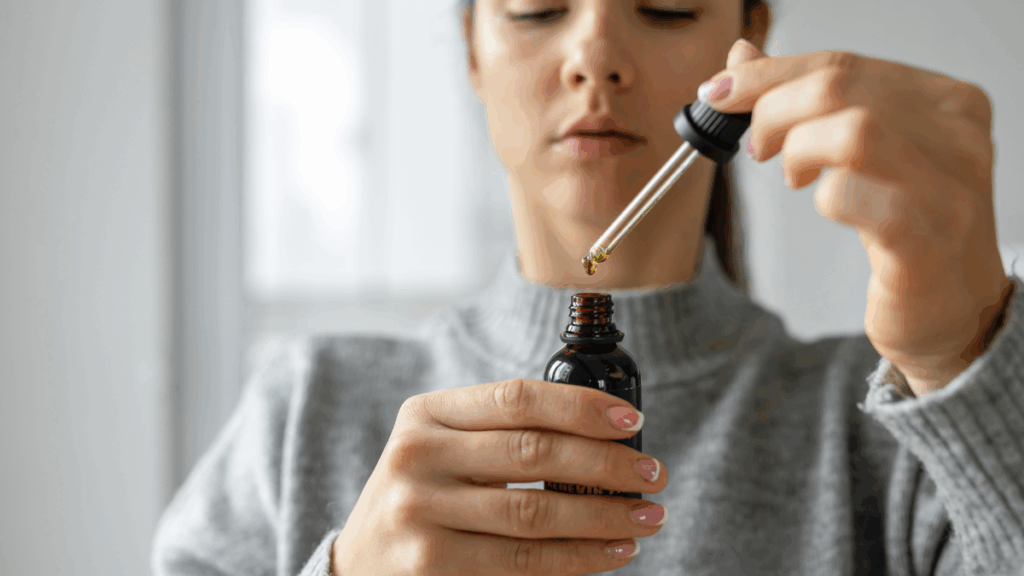
The product we tried, Equilibria’s Nightly Sleep Gummies are formulated with 25 mg full‑spectrum CBD and 5 mg CBN per 2 gummy serving, along with chamomile and L‑theanine to support relaxation and sleep. Their recommended approach is to start with one gummy nightly for 5–7 nights and increase to two gummies if needed, taken about 30–60 minutes before bedtime.
THC, another cannabis compound, may help some people fall asleep faster but has been shown in clinical research to reduce time spent in REM sleep, the stage important for emotional processing and memory, though findings vary and more research is needed.
Other cannabinoids such as CBN and CBG are being explored for sleep benefits, but evidence is still emerging — preliminary studies suggest potential effects on sleep architecture but human clinical data are limited.
When it’s not worth it: CBD and other cannabinoids aren’t effective for everyone. If you notice next‑day grogginess, altered focus, or no improvement at all, it may not be worth incorporating. It’s also important to be cautious with product quality, dosing, and local regulations—cheap or unverified products may have inconsistent potency. And, as always, before starting any supplement or wellness product, discuss this with your medical provider.
If you’d like to try the Equilibria sleep gummies you can click here for $20 your first purchase.
4. Sound Machines: Simple, Affordable, and Surprisingly Effective
“I don’t know how I ever slept without one of these before. I even take it when I travel now! A total game changer!“
Noise Machine Trialed: Magicteam White Noise Machine
Sound machines don’t get the same hype as supplements or gadgets, but research shows they can help people fall asleep faster and stay asleep longer, especially in noisy environments.
White noise works by masking sudden changes in sound that might otherwise wake you up, and trials have found that constant broadband sound (a form of white noise) significantly reduced sleep onset latency in adults with transient insomnia compared with normal environmental noise.
Systematic reviews suggest that white noise can improve sleep outcomes, such as fewer awakenings and better subjective sleep quality, though effects vary by individual and setting.
When it’s not worth it: For people who are extremely sensitive to constant background noise, or who find the sound distracting rather than soothing, a sound machine may disrupt sleep rather than improve it. Personal preference matters — some people sleep best in complete silence.
5. Kindles and E-Readers: A Sleep-Friendly Swap
“I’ve had a Kindle for years and love it but mostly for convenience. I adjusted my settings to lower the screen effects even more and haven’t noticed a huge different but it doesn’t bother me so I’ll keep it.“
E-Reader Trialed: Amazon Kindle 16 GB
Nighttime scrolling is notorious for interfering with sleep, largely because blue light suppresses melatonin, the hormone that signals your body to prepare for sleep.
Evening blue light exposure delays sleep onset and reduces sleep quality.
E-ink devices such as Kindles emit minimal blue light compared to traditional screens, making them a more sleep-friendly option for evening reading.
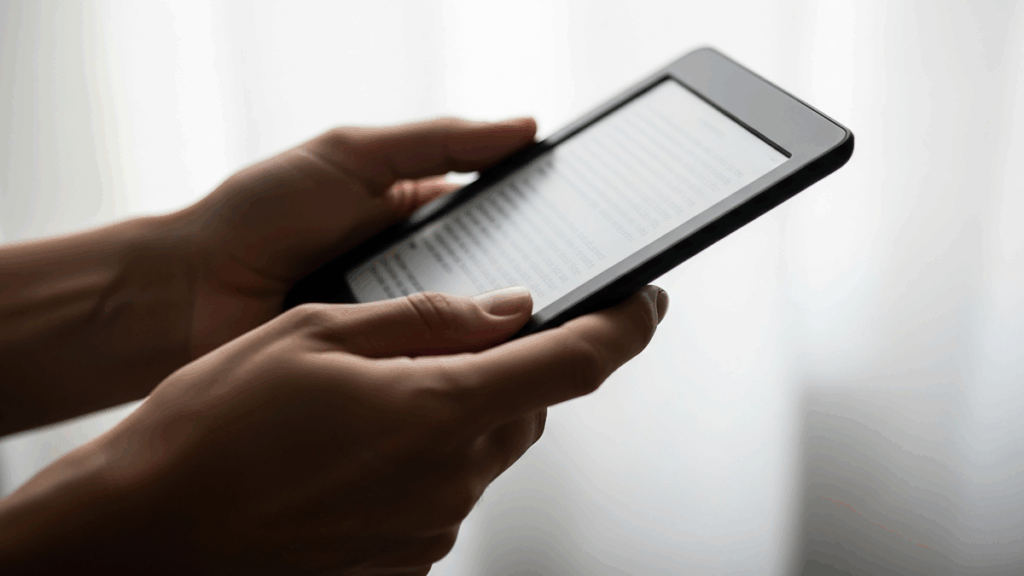
Adjusting the device’s settings can reduce blue light exposure and overall brightness even more, supporting melatonin production, reducing eye strain, and reinforcing the circadian rhythm to help the body wind down more effectively at night.
How To Adjust Kindle Settings For Better Sleep
- Increase the Warmth setting: Go to Settings → Device Options → Display Settings → Warmth and slide the control toward the amber end so the screen glows amber instead of blue-white.
- Lower the brightness: Tap Settings → Display Settings → Brightness and adjust to a comfortable, gentle level, especially for reading in dark rooms.
- Use Dark Mode (if available): Tap Settings → Accessibility → Dark Mode to reduce overall glare while reading.
- Dim the environment: Avoid reading near bright overhead lights and try to keep the room softly lit.
- Limit screen use before bed: Finish reading 30–60 minutes before sleep to allow the brain to naturally increase melatonin production.
When it’s not worth it: If you don’t have an e-reader, a regular book with a low-wattage bedside light is still fine. The key is avoiding bright or blue-toned screens close to bedtime. The benefits of reading for relaxation often outweigh any minor light exposure concerns, so don’t skip reading entirely if a Kindle isn’t an option.
So… Are Sleep Products Worth It?
Sleep products aren’t magic, but they can be helpful tools when used intentionally and paired with solid sleep habits. The most effective options tend to support your body’s natural rhythms rather than override them.
Better sleep usually isn’t about one perfect product. It’s about creating an environment where your body feels safe enough to rest, and sometimes the right tool can help nudge things in that direction. But if a product disrupts your sleep, adds stress, or doesn’t fit your routine, it’s probably not worth it.
Everyone is different with what they find beneficial. If something strikes your fancy give it a try and monitor how your sleep to notice if there are any improvements or if it perhaps hinders it. You can do this on pen-and-paper or use an app, like Looli’s, which has a daily Self Check-In feature where you can make note of things like sleep, hydration, eating habits and more. Click here to download it and start your free 7 day trial.
Article Written By: Colleen Christensen, R.D.

Colleen is a non-diet Registered Dietitian based in Grand Rapids, MI. She is the founder of the social media brand “No Food Rules” where she is committed to debunking diet culture and nutrition myths through relatable humor.
Follow Colleen on social media:
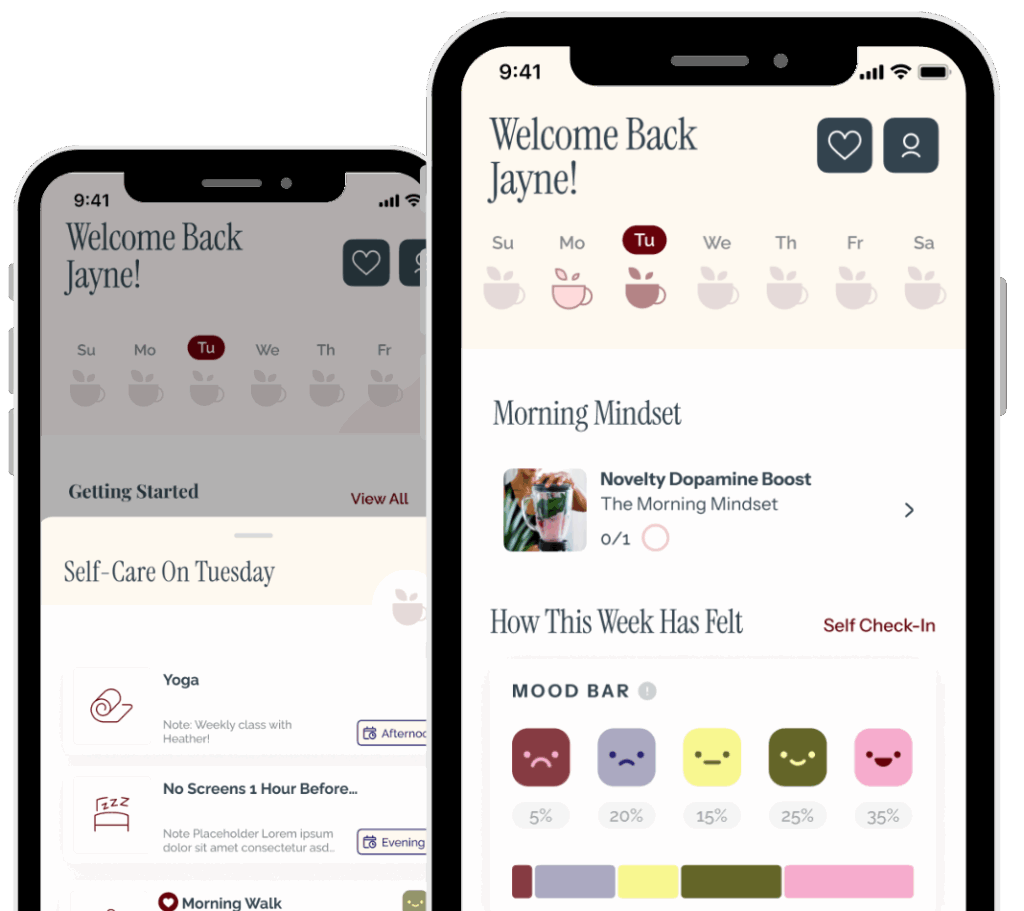
Download The Looli App
Make your wellness a priority, inside and out!
Start your free 7 day trial and access more tools, resources, content, recipes, workouts and more.