
Are Shake Plates Worth It? A Research-Backed Guide
If you’ve been scrolling social media lately, you’ve probably seen people standing, squatting, or even sitting on those shake plates, vibrating like human maracas. And you might be thinking: “Do these things actually do anything, or is this just a weird flex?”
From claims about circulation and recovery to balance, digestion, and even helping with foot pain, the hype is real—but so is the confusion.
In this post, we’re breaking down what science actually says, what’s worth your time, and how to use a shake plate in a way that actually feels good (and maybe even helpful) without buying into the marketing.
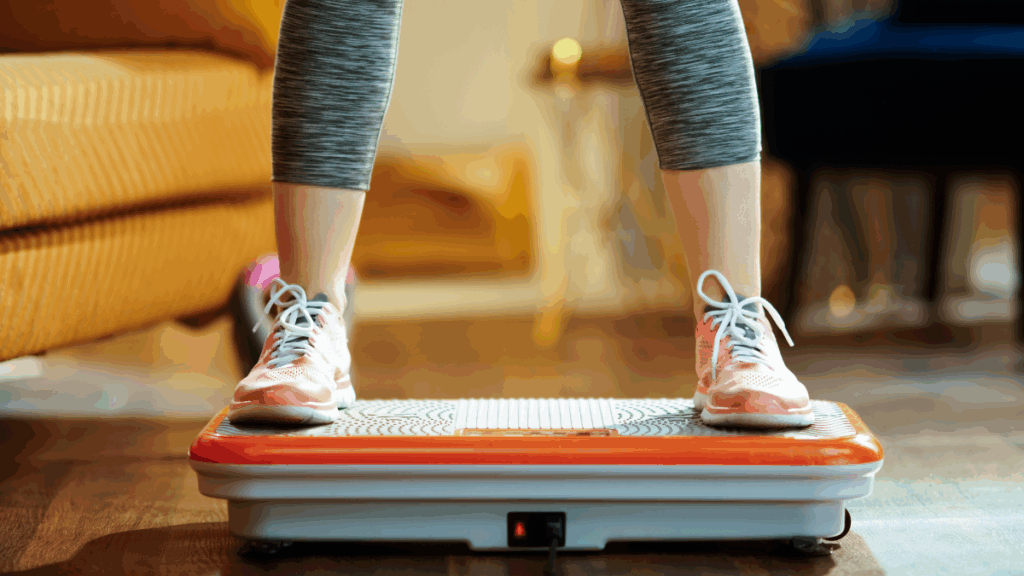
What Whole-Body Vibration (Shake Plates) Are
Shake plates, aka whole-body vibration (WBV) platforms, are basically machines that make your body jiggle—fast. When you stand, squat, or even lightly bounce on them, the vibrations cause your muscles to contract and relax automatically.
Think of it as giving your muscles a little nudge without thinking too hard about it. People use them for quick warm-ups, balance challenges, or just because it feels a little like your legs got invited to a mini dance party.
Benefits of Shake Plates
Circulation & Feeling Less Stiff
A few minutes on a shake plate can get your blood moving and wake up tired legs. Research shows WBV temporarily increases blood flow to the limbs, helping reduce the heavy, stiff feeling after sitting. Effects can be felt even in 1–3 minutes of low-intensity vibration.
Balance & Proprioception
Standing or squatting on a vibration plate challenges stabilizing muscles and improves body awareness. Studies report moderate improvements in balance and postural control after short, regular sessions.
Simple positions like single-leg stands or mini-squats for 30–60 seconds are enough to activate these systems.
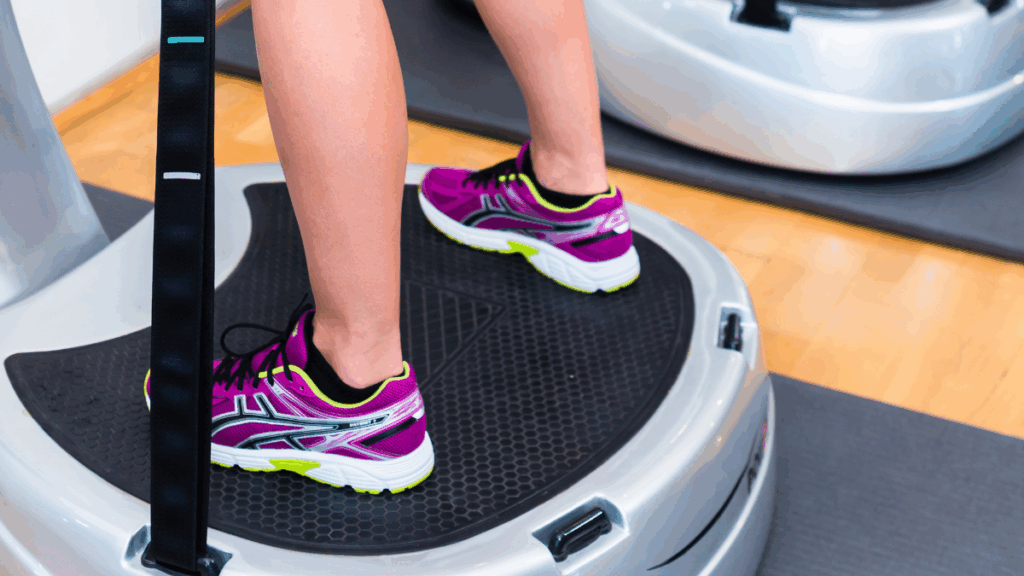
Muscle Activation & Warm-Up
WBV causes muscles to fire automatically, increasing neuromuscular activation. For example, studies show leg muscles can reach 77–90% of max activation during short bouts. This makes WBV a useful primer before strength training or bodyweight exercises.
Temporary Flexibility & Looseness
A few minutes on the plate can make your muscles feel temporarily looser and more mobile. Research indicates WBV can increase joint range of motion and reduce stiffness, though effects are short-term.
Recovery Sensations & Foot Comfort
Some users notice reduced soreness in calves, feet, or lower legs, including temporary relief for plantar fascia discomfort. While vibration doesn’t repair tissues, increased blood flow and neuromuscular stimulation may explain why these sensations occur.
Nervous System “Reset”
Brief WBV sessions can stimulate sensory receptors and slightly influence autonomic nervous system activity. Many people report feeling more awake, alert, or grounded after use, even if the effects are subtle and short-lived.
Core Engagement / Digestion (Anecdotal)
Some users claim WBV helps wake up their core muscles and may “help things move” in the morning. While this hasn’t been formally studied, vibration does engage the trunk muscles, which could plausibly contribute to that feeling.
Are Shake Plates Better Than Other Exercises?
Shake plates can be fun and give quick perks—brief circulation boosts, temporary muscle activation, and a sense of looseness—but how do they compare to traditional movement? Overall, walking, stretching, mobility drills, strength exercises, and other low-cost activities outperform WBV in both effectiveness and lasting benefits.
Circulation & Energy
A short 2–5 minute walk or some calf raises and mini-squats increase blood flow more reliably than a quick shake plate session. Studies show walking or standing breaks significantly improve venous return, oxygen delivery, and alertness after sitting, while WBV effects are short-lived and less intense.
Strength & Muscle Function
WBV can activate muscles, but it doesn’t provide progressive overload, which is key for strength and hypertrophy. Bodyweight or resistance exercises—like squats, lunges, push-ups, and glute bridges—produce far greater gains in muscle strength, core stability, and functional performance.

Find Your Perfect Workout

Flexibility & Mobility
Temporary looseness from WBV is real, but dynamic stretching and mobility drills improve range of motion more consistently and sustainably. Exercises like hip circles, leg swings, cat-cow, and thoracic rotations lengthen tissues and maintain flexibility over time.
Balance & Proprioception
WBV adds subtle instability, which can challenge stabilizing muscles in short bouts. However, regular balance practice—single-leg stands, heel-to-toe walking, or wobble boards—often leads to larger, longer-lasting improvements.
Recovery & Sensory Effects
Some people notice relief in sore muscles, calves, or feet after WBV. These sensations are likely due to temporary blood flow increases and neuromuscular stimulation. Stretching, foam rolling, and targeted mobility exercises still produce stronger recovery effects at no cost.
Nervous System Regulation
WBV may stimulate sensory receptors and influence autonomic nervous system activity, which can make users feel alert or “reset.” That said, short walks, deep breathing, gentle yoga, or mindful movement are more reliable for reducing stress, improving focus, and feeling balanced.
Core Engagement & Digestion
Some users claim that WBV wakes up their core and even “helps get things moving” in the morning. While no research confirms digestive effects, vibration does lightly engage trunk muscles and increase intra-abdominal pressure. For more predictable results, walking, gentle core exercises, and staying hydrated are proven ways to stimulate digestion.
How to Use a Shake Plate / Routine
If you’re curious about using a shake plate, think of it as a quick, supplemental boost—something to enhance circulation, wake up muscles, or challenge balance. Here’s a simple research-aligned routine you can do in 3–8 minutes total, with short bouts like studies suggest:
Warm-Up & Muscle Activation
- Stand on the plate gently – 30–60 seconds
- Mini squats – 30–60 seconds
- Rest 30–60 seconds
Balance & Proprioception
- Single-leg stand – 30–60 seconds per leg
- Mini squats on one leg – 30–60 seconds (optional)
- Rest 30–60 seconds
Circulation & Recovery
- Stand or do calf raises – 30–60 seconds
- Optional repeat once for a total of 3–8 minutes
Tips for Safe & Effective Use
- Frequency: Low to moderate (20–40 Hz) for beginners
- Knees: Keep slightly bent, never locked
- Short bouts: 30–60 seconds per exercise is sufficient
- Integration: Use before workouts, as a quick break from sitting, or paired with mobility exercises
Think of it as a mini, fun supplement—something to sprinkle into your day, not a replacement for your regular exercise, stretching, or walking routine.
Bottom Line
Shake plates can be a fun, quick way to wake up your muscles, boost circulation, and challenge balance—think of it as a little extra sprinkle in your day.
Research shows they do work, especially for short bouts of activation, circulation, and proprioception. That said, traditional movement—walking, stretching, mobility drills, and strength exercises—still delivers bigger, longer-lasting benefits, often for free.
Use a shake plate as a supplement, not a replacement, and pair it with simple exercises or mobility work for the best results. Short sessions, 30–60 seconds per exercise, and the right settings can make it a safe and effective addition to your routine, whether you’re at home or looking for a fun bonus tool to spice up your day.
Article Written By: Colleen Christensen, R.D.

Colleen is a non-diet Registered Dietitian based in Grand Rapids, MI. She is the founder of the social media brand “No Food Rules” where she is committed to debunking diet culture and nutrition myths through relatable humor.
Follow Colleen on social media:
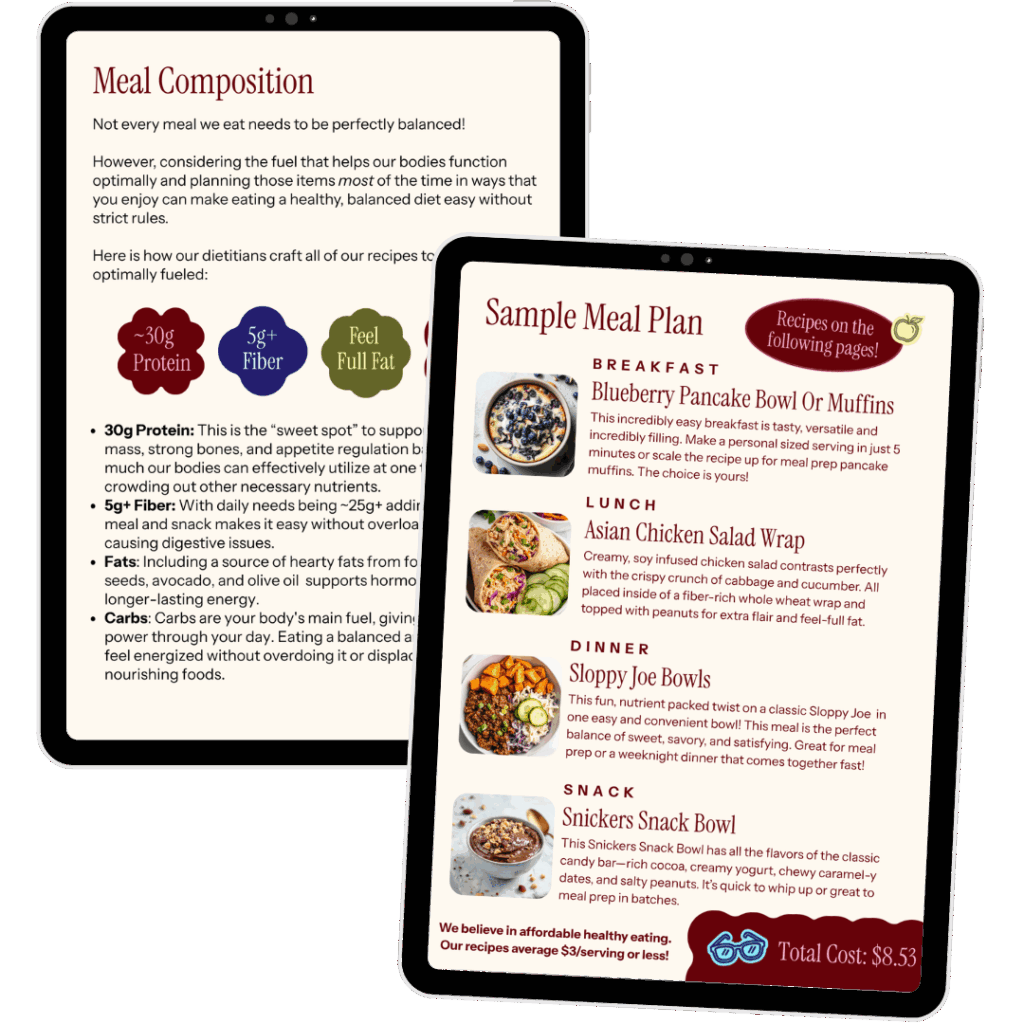
Free Meal Planning Guide
Not sure where or how to get started? Leave it to us!
Enter your email below and we’ll send you our balanced meal planning guide plus a full done-for-you plan.