
Fix Aches + pains By Regulating Your Nervous System
Watch:
Listen:
When people hear “chiropractic care,” they often think back pain — but at Rise Wellness, the focus goes much deeper than just the spine.
Rise Wellness began in 2018 with a focus on prenatal, perinatal, and pediatric chiropractic care, using techniques like the Webster method and neurologically focused care in a loving, family-centered environment.
Dr. Rachel is a pediatric and perinatal chiropractor, a mom of twin girls, and a Life University graduate. With postgraduate training through the International Chiropractic Pediatric Association and years of experience in both Georgia and Michigan, she’s especially passionate about supporting moms and little ones throughout pregnancy and early childhood.
Dr. Annie is also a pediatric and perinatal chiropractor, certified by the Academy Council on Chiropractic Pediatrics. A Life University graduate, she’s been serving families in Grand Rapids since 2017. She’s passionate about building a strong, healthy community and contributes to chiropractic research to help guide and grow the profession.
At Rise, both doctors bring their expertise, compassion, and love for kids and families to create a warm space where everyone feels at home — with care that’s centered around the nervous system and how it helps the body adapt, regulate, and heal.
What Is the Nervous System, Anyway?
Your nervous system is your body’s communication hub.
It includes:
- The brain
- The spinal cord
- A massive network of nerves that travel throughout the body
Its job is to constantly take in information (stress, movement, posture, emotions, pain, environment) and decide how your body should respond — whether that’s tightening muscles, slowing digestion, increasing heart rate, or dialing things back so you can rest and recover.
Importantly, the nervous system isn’t just about movement or sensation. It plays a role in:
- Pain perception
- Muscle tension
- Digestion and bowel function
- Focus, mood, and regulation
- Sleep and recovery
Which is why nervous system–focused care looks at the whole picture, not just where something hurts.
Pain and the Nervous System: A Two-Way Street
Pain doesn’t exist in a vacuum.
When you experience pain, your nervous system is involved — and when your nervous system is under stress, pain can become louder or more persistent.
This can create a cycle:
- Stress, injury, or repetitive strain → nervous system becomes more reactive
- A reactive nervous system → increased muscle tension, guarding, or sensitivity
- Increased tension and sensitivity → more pain signals sent to the brain
- More pain → more stress on the nervous system
Over time, even if the original issue improves, the nervous system can stay “on high alert,” which may explain why pain sometimes lingers or feels disproportionate to what’s happening structurally.
Nervous system–focused chiropractic care aims to help interrupt that cycle, supporting the body’s ability to regulate and adapt rather than stay stuck in protection mode.
How Do Chiropractors Assess Nervous System Function?
One thing that often surprises people is that neurologically focused chiropractic care isn’t based on guessing or symptoms alone.
Practices like Rise use non-invasive scans to assess how the nervous system is functioning and adapting to stress. These scans don’t diagnose conditions, but they can provide insight into patterns of regulation and tension within the nervous system.
Common scans may look at things like:
- Muscle tension patterns along the spine
- Thermal changes that reflect nervous system activity
- Heart rate variability, which gives information about stress and recovery capacity
Together, these tools help identify areas where the nervous system may be struggling to adapt — information that helps guide care and track changes over time.
Topics We Also Cover in the Podcast
In the full conversation, we go well beyond the basics and get into real-life questions people ask all the time, including:
- Nervous system–focused chiropractic care during pregnancy
- Chiropractic care for infants and kids
- Supporting kids through growth, movement, and development
- How stress and regulation show up differently at different life stages
And in the extended podcast interview (available in the app), we also dive into:
- Easy nervous system regulation techniques you can try at home
- How ADHD affects the nervous system
- Whether constipation can contribute to back pain
- Best stretches for mid-back pain
- Best chairs for low back pain (and whether chair inserts actually help)
- Back pain red flags to pay attention to
- What pain between the shoulder blades might mean
- What back pain when you inhale could be telling you
If this topic sparked questions or curiosity, the extended interview goes deeper — with practical explanations and context to help everything make a little more sense.
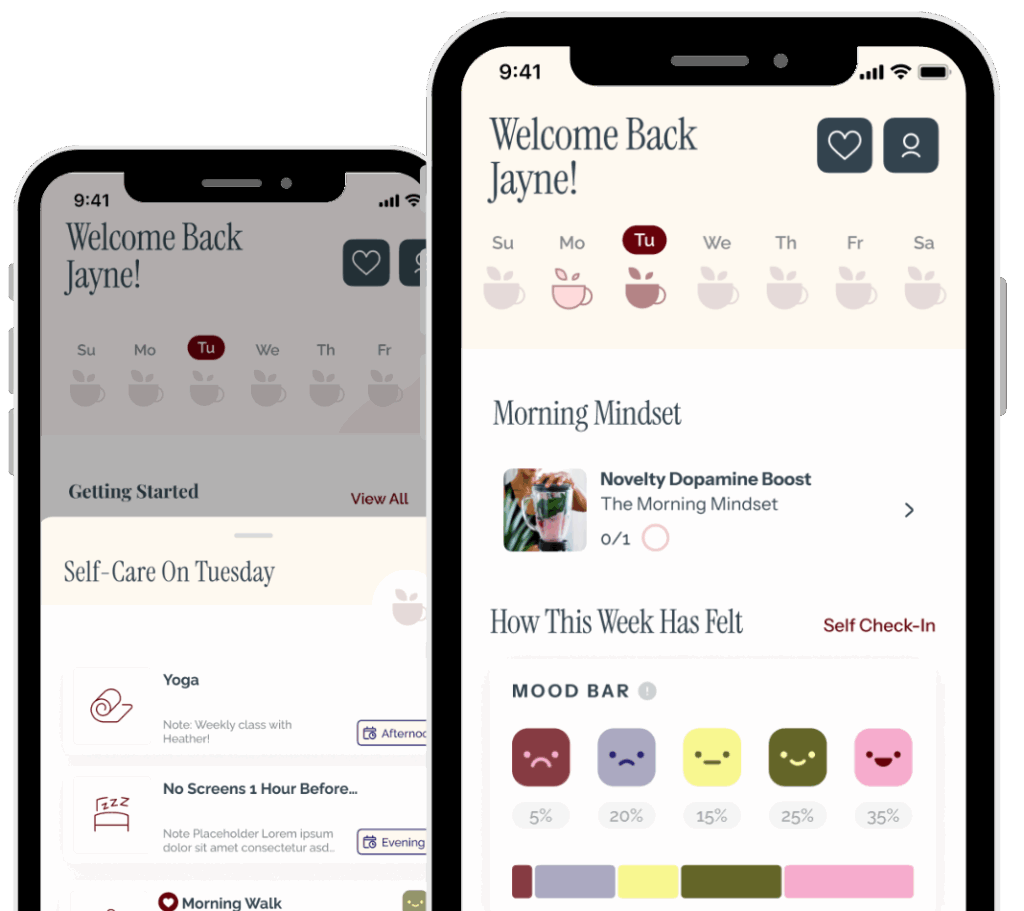
Download The Looli App
Make your wellness a priority, inside and out!
Start your free 7 day trial and access more tools, resources, content, recipes, workouts and more.