
Red-Light Face Masks Are Trendy But Do They Work?
Red-light face masks are everywhere — on Instagram, TikTok, and YouTube. Influencers, beauty gurus, and skincare enthusiasts swear by them, claiming they reduce wrinkles, improve skin tone, and rejuvenate the face and neck. But how much of this is backed by science, and how do you choose a mask that actually works?
In this post, we break down why red-light masks are popular, what the research really says, how to pick one, and evidence-backed steps you can take before using a mask to maximize results.
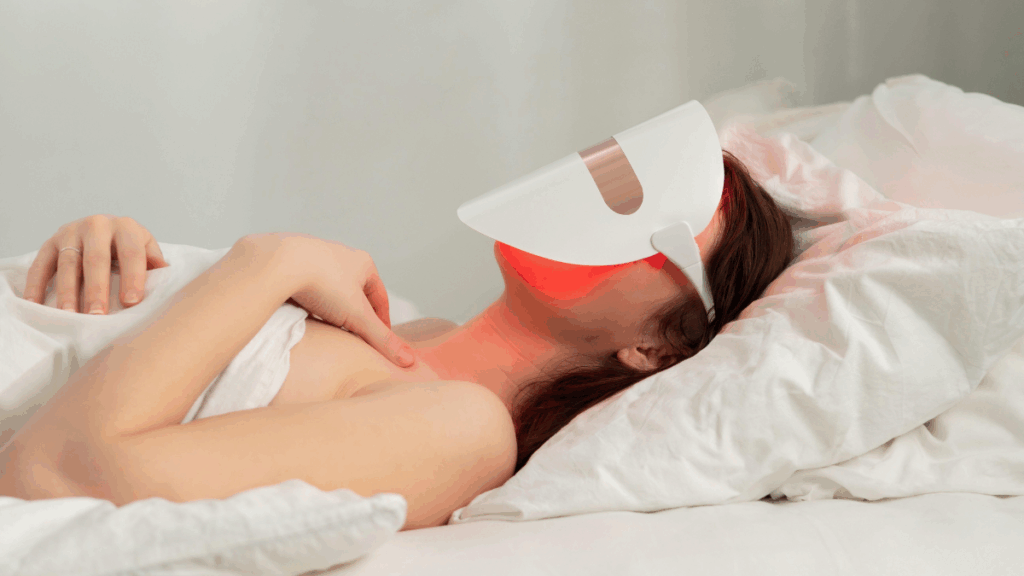
Why Red-Light Face Masks Are So Popular
Red-light face masks are appealing for several reasons:
- At-home convenience: Get spa-like treatments without leaving your house.
- Non-invasive anti-aging: Promises collagen stimulation, wrinkle reduction, and skin rejuvenation without needles, lasers, or downtime.
- Social media influence: Everyone from TikTok creators to Instagram beauty influencers promotes them.
- Self-care and tech appeal: Using a futuristic, glowing mask makes skincare feel like a high-tech ritual.
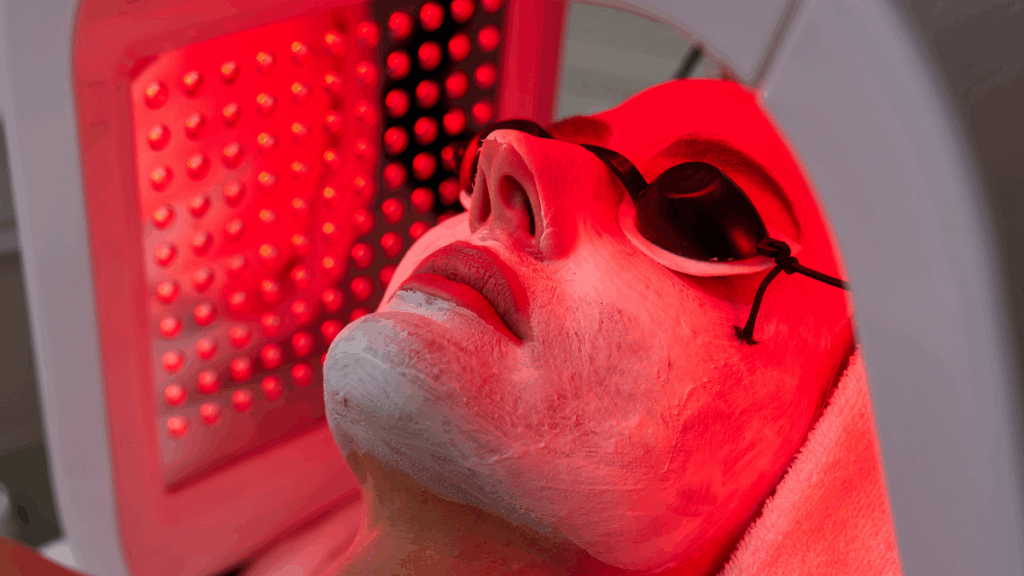
How Red-Light Therapy Works
Red-light therapy is a type of photobiomodulation (PBM). In simple terms:
- Light penetrates the skin and stimulates mitochondria, the cell’s energy powerhouses.
- Increased ATP production boosts cell repair, collagen synthesis, and tissue regeneration.
Key Wavelengths
- Red light (630–660 nm): Works on the upper skin layers to improve collagen, elasticity, and reduce fine lines.
- Near-infrared light (800–850 nm): Penetrates deeper, supporting tissue repair, inflammation reduction, and skin density.
⚠️ Note: Some masks also include blue light (~415 nm), which targets acne bacteria. This is different from the harmful blue light from phone screens (450–490 nm).
What the Research Shows
Numerous clinical studies support red + near-infrared light for skin rejuvenation. Here’s a summary:
- Wrinkle reduction & improved skin elasticity: using red and near-infrared light 3×/week for 12 weeks showed significant reductions in fine lines and increased skin elasticity.
- Skin texture and tone: those using red + NIR light 2–3×/week experienced smoother skin texture and brighter complexion after 8 weeks.
- Collagen + fine lines: red and near-infrared light improved skin elasticity, collagen density, and fine lines safely, with effects generally appearing after 8–12 weeks.
Key takeaway: Red + NIR therapy is moderately strong evidence, especially for fine lines, skin texture, and elasticity. Limitations include: smaller sample sizes, shorter study durations, and less data on neck/chest areas or darker skin tones.
Who Might Not Benefit From A Red-Light Skin Therapy
While there is research that shows potential benefits of red light masks it’s important to note that it’s not necessarily a “beginner” product. Before seeking red light therapy ensure you have a solid, basic skincare routine down that includes the “essentials”. Otherwise? You might no reap the results you’re looking for! Or, at least, not get the maximum benefits.
Here is a basic skincare routine that dermatologist Dr. Brooke Vasicek recommends:
Basic Morning Skincare Routine
- Cleanse
- Vitamin C
- Moisturize
- Sunscreen
Basic Evening Skincare Routine
- Cleanse
- Retinol
- Moisturize
For exact product recommendation and other treatment recommendations checkout our full interview with Dr. Vasicek.

How to Pick a Red-Light Face Mask
When choosing a mask, look for:
- Wavelengths: ~630–660 nm red + 800–850 nm NIR (research-backed).
- Power / irradiance: ≥25 mW/cm² at skin surface to ensure effective dosing.
- Session energy dose: ~4–10 J/cm² per treatment.
- Fit & coverage: full-face, optionally neck.
- Safety features: timers, eye protection, FDA or CE certification.
- Avoid vague claims: “multi-color LED” or unspecified wattage without clear science.
Our Top Red Light Mask Picks:
💸 Budget-Friendly — Clara Red Light Therapy LED Face Mask
A good entry-level option for those curious about red and near-infrared light therapy without a big investment. Clara includes the key red/NIR bands, adjustable sessions, and basic safety features, making it a reasonable place to start. Coverage and LED density are more limited than higher-end masks, but it checks the core evidence-based boxes.
⚖️ Best Value / Mid-Range — Hooga Red Light Therapy LED Mask
This no-frills mask sticks closely to research-backed wavelengths, emitting 630 nm and 660 nm red light plus 850 nm near-infrared. It offers full-face coverage with simple controls and clear specs, making it a solid choice for consistent, science-aligned use without paying for extra features.
🏆 Best Overall — CurrentBody Skin LED Light Therapy Face Mask (Series 1)
One of the most popular and well-reviewed options, this flexible silicone mask delivers ~633 nm red and ~830 nm near-infrared light with a high LED count for more even coverage. The comfortable fit improves skin contact, which can help with consistent dosing over time, making it a strong all-around pick for regular users.
💎 Splurge / Premium — Therabody TheraFace Mask Glo
An FDA-cleared, premium option from a well-known wellness brand, this mask combines red and near-infrared wavelengths with polished design and built-in safety features. It’s best for those who value brand trust, sleek construction, and an all-in-one skincare device and are willing to pay more for that experience.
Expected Timeline of Results
- 4–6 weeks: Initial improvements in tone, brightness, and texture.
- 8–12 weeks: Noticeable reduction in fine lines, enhanced skin elasticity.
- 12+ weeks: Sustained improvements; some studies show persistence even after discontinuing regular sessions.
Consistency is key — most studies recommend 3–5 sessions per week, 10–20 minutes each.
Red-light face masks are more than a social media trend. Research does show that red + near-infrared light therapy can improve wrinkles, elasticity, skin texture, and tone when used consistently with proper dosing, but they’re not a necessity. If they don’t fit in your budget or routine, skip ’em!
For best results:
- Have a basic skincare routine in place
- Pick a mask with research-backed wavelengths and irradiance.
- Use consistently, combine with your skincare routine, and manage expectations — improvements take weeks, not days, and may not be as drastic as you expect.
With the right approach, red-light therapy can be a safe, convenient, and scientifically supported addition to your at-home skincare routine, if you’d like to give it a try!
Article Written By: Colleen Christensen, R.D.

Colleen is a non-diet Registered Dietitian based in Grand Rapids, MI. She is the founder of the social media brand “No Food Rules” where she is committed to debunking diet culture and nutrition myths through relatable humor.
Follow Colleen on social media:
Download The Looli App
Make your wellness a priority, inside and out!
Start your free 7 day trial and access more tools, resources, content, recipes, workouts and more.