
Peeing, Pleasure & Pain: Pelvic Floor 101
Watch:

Listen:
Pelvic floor therapy is often associated with pregnancy or postpartum recovery—but according to pelvic floor physical therapist Emilee Van Hoven, who has over 10 years of experience, it plays an important role across the lifespan.
If you’ve ever dealt with bladder control issues, frequent urination, pain with sex, core instability, or pelvic or back pain, pelvic floor physical therapy may be worth exploring.
What Is the Pelvic Floor?
The pelvic floor is a hammock of muscles that lines the bottom opening of the pelvis. Pelvic floor physical therapy looks similar to traditional physical therapy, but it’s focused on helping these muscles function well.
Emilee breaks the pelvic floor’s role into five key functions:
- Sphincteric (closure): Helps control urine, stool, and gas
- Stability: Contributes to posture and core support
- Sexual function: Supports relaxation, blood flow, and comfort
- Pump: Helps move blood and fluid throughout the body
- Support: Holds the organs in the pelvis in place
It’s Part of a Bigger System
The pelvic floor is part of a core canister: the diaphragm on top, pelvic floor on the bottom, and abdominal and deep back muscles as the sides. The hips play a major role, and there are also connections to the jaw and feet—one reason pelvic floor issues can show up as pain or dysfunction elsewhere in the body.
A Common Misconception
A tight muscle doesn’t function well. Pelvic floor therapy frequently focuses on restoring balance and coordination—not just strengthening.
How Pelvic Floor Needs Change Across Life Stages
Childhood & Adolescence
Pelvic floor therapy can help with toileting challenges, constipation, bedwetting, and early bladder or bowel dysfunction. The onset of menstruation can also be an important time to start understanding pelvic floor health.
Young Adulthood / Pre-pregnancy
Common reasons people seek care include pain with sex, difficulty using tampons, and limited education around anatomy and pleasure. Urine leakage during activity can also occur earlier in life, especially in sports that emphasize tightness (like gymnastics, ballet, cheer, and distance running).
Bladder Habits At Any Age
Peeing “just in case” or very frequently can train the bladder to hold less. Typical bladder emptying is every 2–4 hours. A tight pelvic floor can contribute to urgency and frequent urination.
Pregnancy
Hormonal changes increase joint laxity while the body supports a growing baby, placenta, and fluid—all placing added demands on the pelvic floor and core system.
Postpartum
After birth, tissues and alignment shift rapidly, alongside a major drop in estrogen. Many people experience symptoms related to pelvic floor tension, core changes, or diastasis recti, which affects about 90% of women and often improves with proper care.
Perimenopause & Menopause
Hormonal shifts affect muscle and connective tissue, including the pelvic floor. This can show up as pain with sex, increased urgency, or urge incontinence, especially as the bladder lining becomes more sensitive to estrogen changes.
Older Adulthood
Hormonal decline and cumulative strain can worsen pelvic floor issues over time, making early support and prevention especially valuable.
Simple Tips You Can Use Today
- Stop constantly sucking in your stomach (this causes pelvic floor tighness)
- Exhale with effort (“blow before you go”) instead of holding your breath
- Strength training supports the entire core system, including the pelvic floor
The Bottom Line
Pelvic floor therapy isn’t just about pregnancy or Kegels—it’s about restoring function and comfort at every stage of life. If something feels off, it’s worth knowing support exists.
Be sure to give the episode a listen or watch for more nuggets of wisdom from Emilee (your pelvic floor will thank you!)
In the app exclusive extended Q&A we cover:
- What are the best pelvic floor exercises and why?
- What are the best pelvic floor stretches and why?
- What is a pelvic floor massage and is it helpful?
- What is internal VS external pelvic floor therapy?
- What is a “hypertonic (or overactive) pelvic floor”?
- What are signs of an overactive pelvic floor?
- What is a pelvic floor wand?
- What are signs of a weak or uncoordinated pelvic floor?
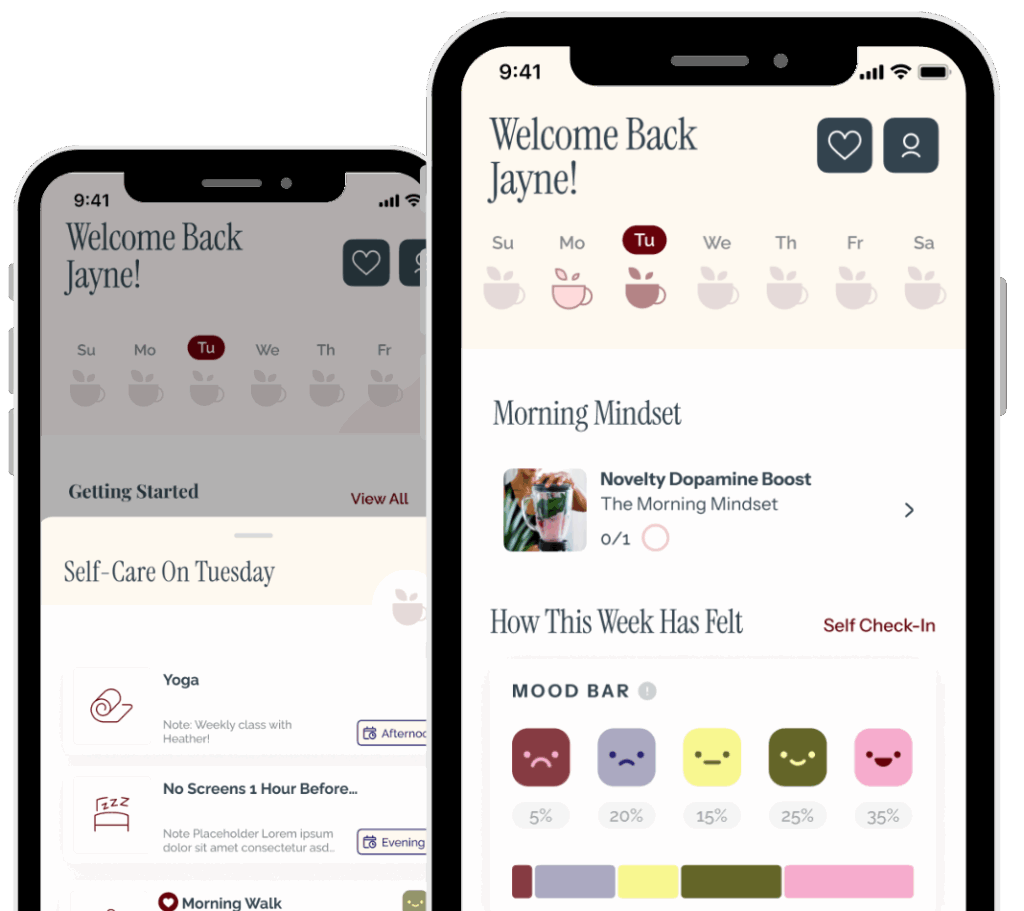
Download The Looli App
Make your wellness a priority, inside and out!
Start your free 7 day trial and access more tools, resources, content, recipes, workouts and more.