

Microplastics and Your Health: What We Know
You may have heard headlines about microplastics showing up “everywhere” — in our oceans, in fish, even in drinking water. As tiny pieces of plastic slip into food, water, and the air, many wonder: are we actually swallowing or inhaling them? And should we worry?
What Are Microplastics?
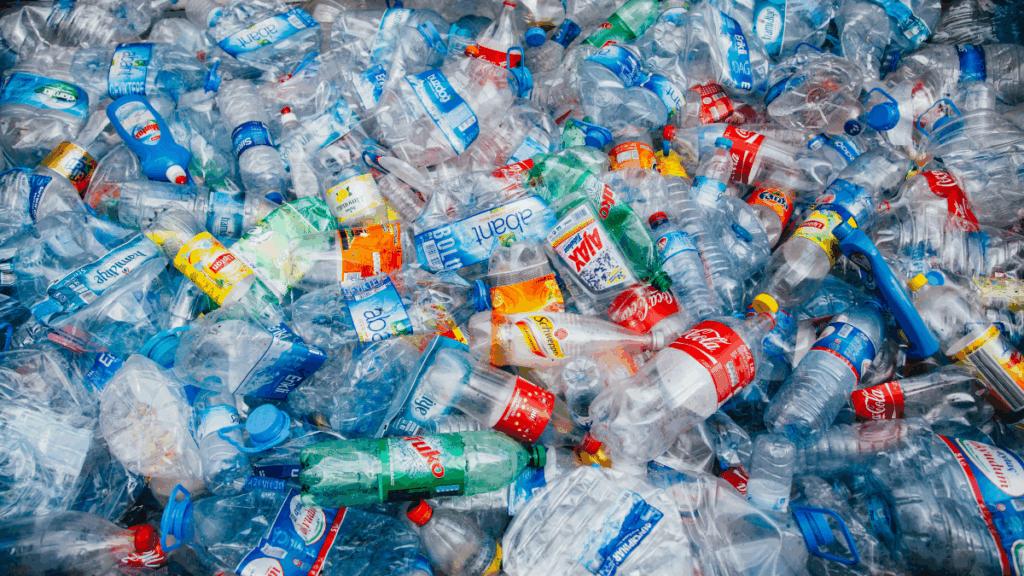
Microplastics (MPs) are generally defined as plastic particles smaller than 5 millimeters in size. Here are a few helpful definitions for discussion context:
Larger microplastics (e.g., fragments from breaking plastic): the pieces most common in early research.
Smaller microplastics / nanoplastics: particles under ~1 micrometer. Those have recently drawn attention because their size may allow deeper biological penetration.
Primary microplastics: Plastics manufactured to be small from the start, like microbeads in cosmetics or industrial pellets.
Secondary microplastics: Plastics that break down from larger items over time, like fragments from bottles, bags, or synthetic clothing fibers.
Because they’re so small and persistent, micro- and nanoplastics have become nearly ubiquitous, found in water, food, air, soil, and more.
Subscribe To The Daily news
We dig into the headlines and give you the need-to-know facts… without the fear mongering click bait.
Where Do Microplastics Come From?
Microplastics in our food, water, and air arise from a variety of sources:
- Breakdown of larger plastic items: plastic packaging, bottles, containers, plastic waste, synthetic materials breaking down over time.
- Contamination in drinking water: micro- and nano‑plastics have been documented in both tap and bottled water.
- Food supply: especially seafood (fish, shellfish), salt, processed foods with studies showing microplastics present in many common dietary items.
- Airborne particles: microplastics can become airborne (from synthetic textiles, dust, fibers) and thus inhaled.
Because plastics are everywhere, exposure by ingestion, inhalation, sometimes even dermal contact may be hard to avoid.
How Much Do We Actually Consume or Breathe In?
There have been attempts to estimate how many microplastics a person might take in per year. Here are some rough estimates:
- Food & drink: ~39,000–52,000 particles/year (~100–150 particles/day)
- Air: ~35,000–70,000 particles/year (~100–200 particles/day) (Vianello et al., 2019)
- Bottled water drinkers: +~90,000 particles/year.
Total typical daily exposure: roughly 200–400 particles/day (very rough estimate).
These are likely underestimates, because the analysis covered only a fraction of all possible food and drink sources. More recently, advanced methods have revealed that water may contain far more tiny plastics than previously known.
A 2024–2025 study found that an average liter of bottled water can hold ~240,000 plastic fragments, many of them nanoplastics, much smaller than typical microplastics.
That kind of finding suggests our exposure estimates may, again, increase as more sensitive detection methods emerge.
Why Some Scientists Are Concerned (And What Is Still Uncertain)
Because micro- and nanoplastics are widespread, researchers are investigating whether they might pose health risks.
A 2025 study compared postmortem human brain tissue from 2016 vs. 2024 and found that micro‑ and nanoplastic concentrations in the 2024 brains were ~ 50% higher than in 2016.
Microplastics can disrupt the gut microbiome, altering microbial composition, reducing beneficial bacteria, increasing potentially harmful species, and impairing microbial metabolism.
Animal and lab studies suggest microplastics can disrupt reproductive barriers (like the blood-testis barrier) and impair processes such as spermatogenesis, ovarian function, and hormone balance. These effects are linked to oxidative stress, inflammation, and cellular damage.
That said, and this is important, the evidence in humans remains thin, preliminary, and full of uncertainties. Most evidence comes from lab and animal studies using much higher concentrations than typical human exposure (roughly millions to tens of millions of times higher than what a person ingests daily).
So, while these findings show a potential risk, it’s still unclear whether everyday microplastic exposure meaningfully impacts human health.
Scientists don’t yet know how much microplastic is ‘too much’ (i.e., what exposure level might cause actual disease, if any.)
What This Means for You (And What You Can Do)
Yes, you likely are ingesting or inhaling microplastics, through water, food, air, packaging even if you don’t notice it. Based on best‑available research, exposure for many people is likely tens to hundreds of thousands of particles per year.
It makes sense why there is concern over this and its possible effects.
But there’s no clear evidence that this exposure, at current levels, causes specific illnesses in people. The science is evolving; we don’t yet have long-term, large-scale human studies.
If you want to minimize exposure, some sensible (but not foolproof) steps include:
- Limiting consumption of bottled water, since recent research found extremely high counts of micro/nanoplastics in bottled water.
- Reducing use of single‑use plastics, plastic packaging, and unnecessary plastic containers, especially for food and drink.
- Choosing less-processed foods (vs. heavily processed foods), since processed foods are among sources of plastic contamination.
- Improving indoor air quality (good ventilation, limiting sources of synthetic fibers, dust, etc.), because inhalation is another exposure route.
- At the same time, don’t panic. While microplastics are widespread and potentially concerning, the science doesn’t currently support dramatic health claims (e.g., “microplastics cause XYZ for sure”). It’s a risk to keep an eye on but likely one of many low-level exposures we all face from environmental pollution.
For now, the best approach may be informed awareness: being mindful of where plastics show up in daily life, reducing unnecessary plastic use, and supporting broader systemic changes (packaging, water supply, waste management).
At the same time, we should recognize that microplastics are only one part of a bigger environmental and health picture with continuing scientific research being needed before we draw firm conclusions.
Article Written By: Colleen Christensen, R.D.

Colleen is a non-diet Registered Dietitian based in Grand Rapids, MI. She is the founder of the social media brand “No Food Rules” where she is committed to debunking diet culture and nutrition myths through relatable humor.
Follow Colleen on social media:
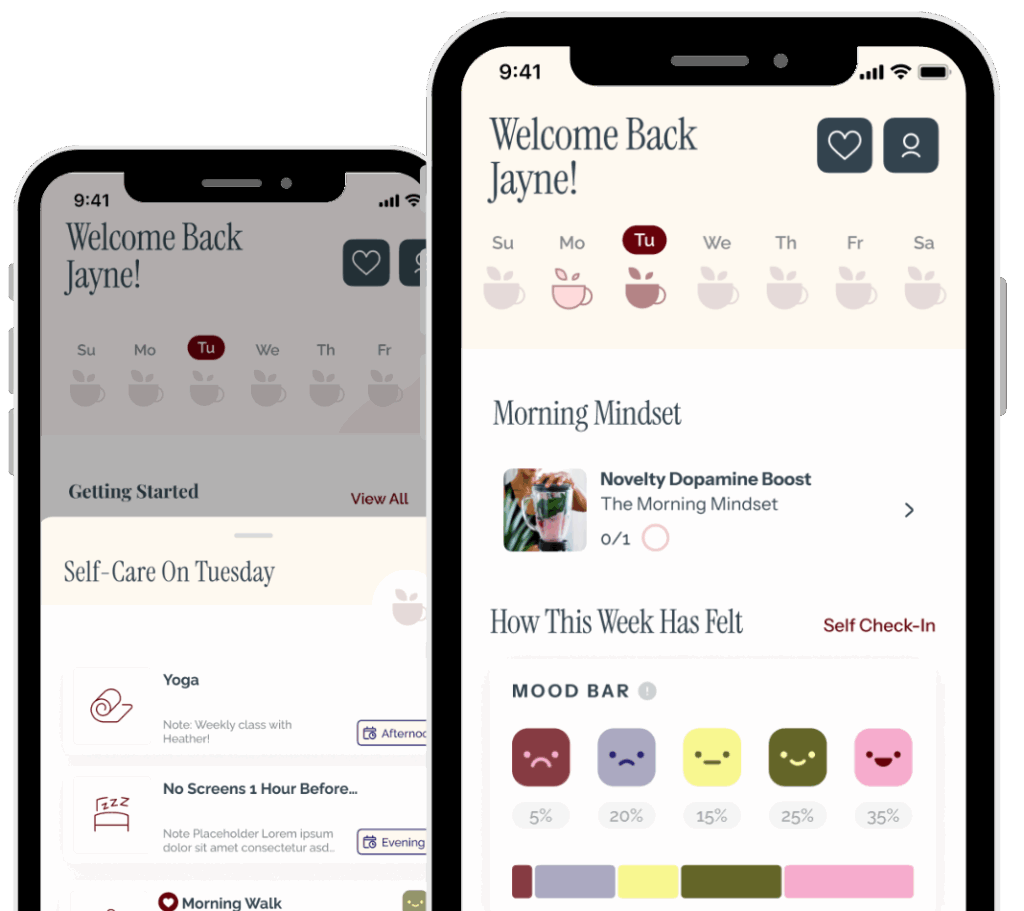
Download The Looli App
Make your wellness a priority, inside and out!
Start your free 7 day trial and access more tools, resources, content, recipes, workouts and more.