
Magnesium Before Bed: Does It Work?
If you’ve scrolled TikTok or Instagram at night, you’ve probably seen cozy “sleepy time mocktails” or friends popping magnesium supplements before bed. Magnesium has become the latest sleep hack trending on social media, promising calmer nights and deeper rest.
In this post, we’ll explore what magnesium does, how it might help you sleep, and safe ways to add it to your nightly routine — without chasing every social media trend.

What Is Magnesium?
Magnesium is a vital mineral your body needs for hundreds of functions. It helps:
- Relax muscles and nerves
- Support energy production
- Regulate neurotransmitters like GABA, which promote calm
- Balance hormones, including melatonin, your natural sleep signal
Roughly 50–60% of magnesium in the body is stored in bones, while the rest supports muscles, nerves, and organs.
Because it helps the nervous system and muscles relax, magnesium has become a key nutrient to explore for better sleep — which is why it’s trending in bedtime routines online.

How Magnesium Affects Sleep
Magnesium isn’t a sedative, but it supports several brain and body systems involved in winding down for sleep — which is why people talk about it as a “natural relaxant.”
1. Helps Calm the Nervous System
Magnesium interacts with neurotransmitters — the brain’s chemical messengers — including GABA (gamma‑aminobutyric acid). GABA helps slow down nerve activity, which can make you feel calmer and ready for sleep. Magnesium helps GABA bind to its receptors, which may promote relaxation.
2. Supports Sleep Hormones
Magnesium also plays a role in regulating melatonin, the hormone that helps control your sleep‑wake cycle. Higher melatonin at the right time signals to your body that it’s time to sleep.
3. Linked With Sleep Duration & Quality
Large population research suggests that higher magnesium intake from diet or supplements is associated with better sleep quality and longer sleep durations — though these observational studies can’t prove cause and effect.
For example, in older adults with insomnia, taking 500 mg of magnesium daily for 8 weeks led to:
- Longer total sleep time
- Better sleep efficiency
- Lower time to fall asleep
- Increased melatonin levels
…and reduced scores on insomnia severity scales compared with placebo.
Another trial found that magnesium L‑threonate improved both objective (device‑measured) and subjective sleep quality and daytime functioning compared with placebo.
The Evidence Isn’t Perfect
Not all studies agree, and some research reviews describe the clinical results as mixed or modest, especially when looking at broader sleep disorder outcomes. More large, long‑term trials are needed to confirm exactly how strong the effect is.
Quick takeaway: Magnesium can support relaxation and sleep‑related systems in the body, and some research shows it may help improve how long and how well people sleep — especially in specific groups like older adults — but the effects are generally subtle and don’t work the same for everyone.
How to Get Enough Magnesium (Food, Supplements & Lifestyle)

Magnesium-Rich Foods
Getting magnesium from food is the best first step. To reach roughly 300–400 mg per day — similar to doses used in sleep studies — you can combine magnesium-rich foods throughout the day:
- Almonds: 1 ounce (about 23 nuts) = ~80 mg → 3–4 ounces gives ~240–320 mg
- Pumpkin seeds: 1 ounce = ~150 mg → 2 ounces gives ~300 mg
- Cooked spinach: ½ cup = ~78 mg → 2 cups gives ~312 mg
- Black beans, cooked: ½ cup = ~60 mg → 2½ cups gives ~300 mg
- Oats, dry: ½ cup = ~60 mg → 2½ cups gives ~300 mg
- Salmon, cooked: 3 ounces = ~26 mg → ~12 ounces gives ~100 mg (best paired with other sources)
Tip: You don’t need to get it all from one food — a mix throughout the day works best.
Supplements (If Needed)
If food alone isn’t enough, supplements can help. Different forms work better for different goals:
- Magnesium glycinate: Magnesium bound to the amino acid glycine. Well-tolerated, gentle on the stomach, and may enhance relaxation and sleep. Most practical choice for sleep-focused supplementation.
- Magnesium citrate: Highly absorbable, sometimes used for mild constipation. Can have a laxative effect at higher doses.
- Magnesium L-threonate: Designed to cross the blood-brain barrier, potentially improving sleep quality and cognitive function. Research is promising but limited.
Timing: 30–60 minutes before bed tends to maximize the calming effect.
Dosing & Safety: 200–400 mg/day for adults is typical and generally safe. High doses (above 500 mg/day) can cause digestive upset. Check with a healthcare provider before starting supplements, especially if you have kidney issues or take other medications.
Quick note: Even if you’re not deficient, magnesium supplements may provide subtle relaxation and sleep benefits — but they aren’t a guaranteed cure for insomnia.

3. Lifestyle Tips
Magnesium works best as part of a holistic bedtime routine:
- Keep a consistent sleep schedule
- Practice relaxation techniques like gentle stretching, deep breathing, or meditation
- Combine with magnesium-rich foods or supplements to support overall sleep quality
Safety & Side Effects
Magnesium is generally safe for most adults, especially when taken through food or moderate-dose supplements. However, there are a few things to keep in mind:
- Digestive effects: High doses, especially of magnesium citrate or other poorly absorbed forms, can cause diarrhea or stomach upset.
- Kidney function: People with kidney disease or impaired kidney function should check with a healthcare provider before supplementing, as magnesium is processed through the kidneys.
- Drug interactions: Magnesium can interact with certain medications, including some antibiotics, diuretics, and blood pressure medications. Always talk to your healthcare provider if you’re on medication.
- Start low, go slow: Begin with the lower end of recommended doses (around 200 mg/day) and see how your body responds before increasing.
Bottom line: Magnesium is generally safe and well-tolerated, but like any supplement, it works best when used thoughtfully and in combination with a healthy sleep routine.

Calm, Restful Nights Are Within Reach
Magnesium is a key mineral that supports muscle relaxation, nerve function, and sleep-regulating hormones. While it’s not a miracle cure for insomnia, research shows it can help some people fall asleep faster, sleep a little longer, or feel more relaxed at night — especially when paired with a consistent bedtime routine and calming habits.
Key takeaways:
- Focus on magnesium-rich foods like nuts, seeds, leafy greens, beans, oats, and fish.
- If needed, supplements like magnesium glycinate or citrate can be helpful, taken 30–60 minutes before bed.
- Pair magnesium intake with relaxation practices and a consistent sleep schedule for best results.
- Even if you’re not deficient, magnesium may provide subtle benefits — but it’s one part of a broader sleep-supportive lifestyle.
With the right foods, supplements, and habits, you can make magnesium a simple tool in your quest for calmer, more restorative nights — without chasing every social media trend.
Article Written By: Colleen Christensen, R.D.

Colleen is a non-diet Registered Dietitian based in Grand Rapids, MI. She is the founder of the social media brand “No Food Rules” where she is committed to debunking diet culture and nutrition myths through relatable humor.
Follow Colleen on social media:
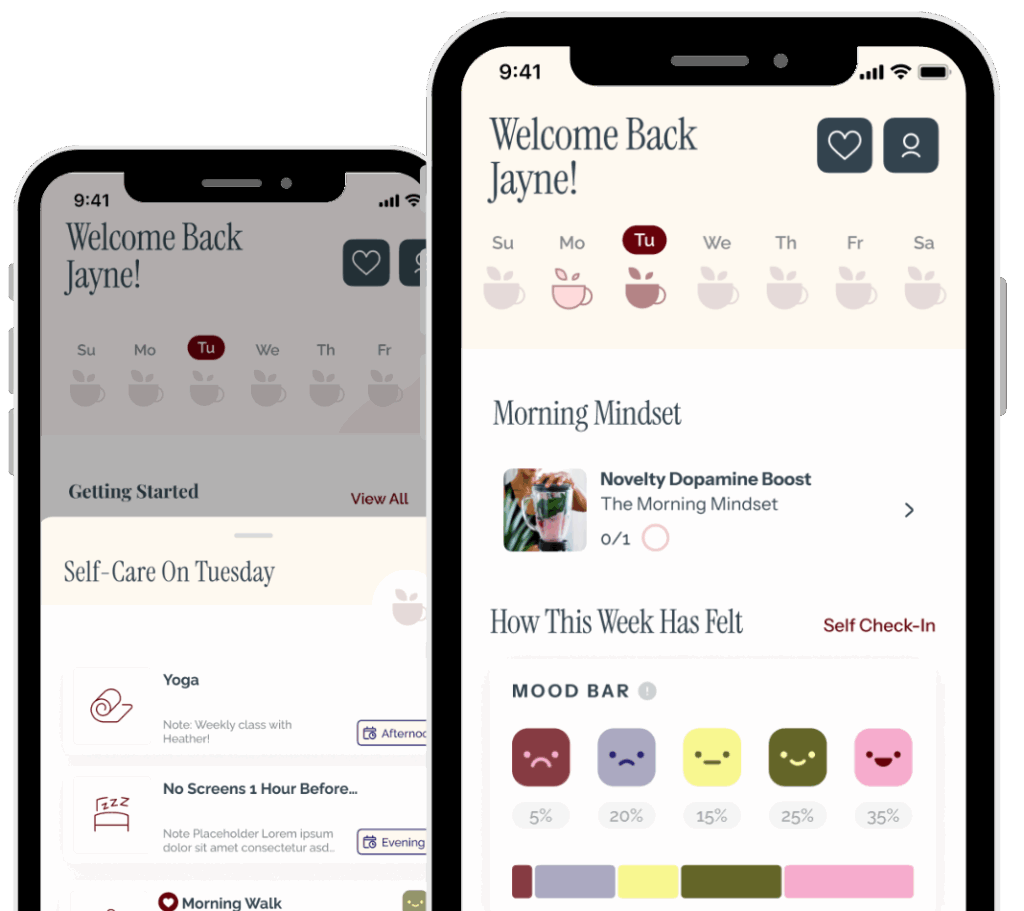
Download The Looli App
Make your wellness a priority, inside and out!
Start your free 7 day trial and access more tools, resources, content, recipes, workouts and more.