
How Long Does It Take To Gain 1 Lb Of Muscle?
Muscle isn’t just about looking toned or “fit.” It plays a huge role in your strength, mobility, and overall health. Building muscle helps you move efficiently, protect your joints, support metabolism, and maintain independence as you age.
But if you’re new to resistance training, or you’ve been frustrated by slow results, it can be hard to know what’s realistic — and how to track progress without getting obsessed with the scale.

How Muscle Growth ACTUALLY Works
Muscle growth happens in two main ways: neural adaptations and muscle hypertrophy.
Neural adaptations are your nervous system learning to use your existing muscles more efficiently. In other words, when you first start lifting, your brain gets better at telling your muscles which fibers to activate, how many to fire, and in what sequence. This is why beginners can get stronger very quickly even before their muscles visibly grow.
Note: it’s important to have a regulated nervous system to facilitate adaptations. Check out our guide to identifying dysregulation and regulating your nervous system here.
Muscle hypertrophy is the actual enlargement of muscle fibers. With consistent training, adequate protein, and recovery, your body adds more contractile proteins (actin and myosin) to each fiber. Over time, this makes your muscles larger and stronger.
So early strength gains often come from your nervous system learning to use your muscles better, and visible size gains follow over weeks to months.

Find Your Perfect Workout

Find Your Perfect Workout

How Long Does It Take to Gain 1 Pound of Muscle?
Direct studies rarely report “XYZ pounds of muscle per month,” but we can infer realistic rates from research:
Beginners (0–12 months of training)
Untrained participants in 12-week resistance training programs gain about 2–3 pounds of lean mass. That’s roughly 0.5–1 pound per month.
Intermediate lifters (1–3 years)
Research shows smaller gains in people with some training experience, because they’ve already adapted to initial neural and muscle changes. Our inferred rate would be about 0.25–0.5–1 pound per month.
Advanced lifters (3+ years)
Gains slow further as lifters approach genetic potential. This would likely translate to ~0.25–0.5 pound per month under typical training conditions.
These numbers are inferred averages and your results will vary depending on training program, nutrition, recovery, genetics, age, and sex.
What Slows Muscle Growth
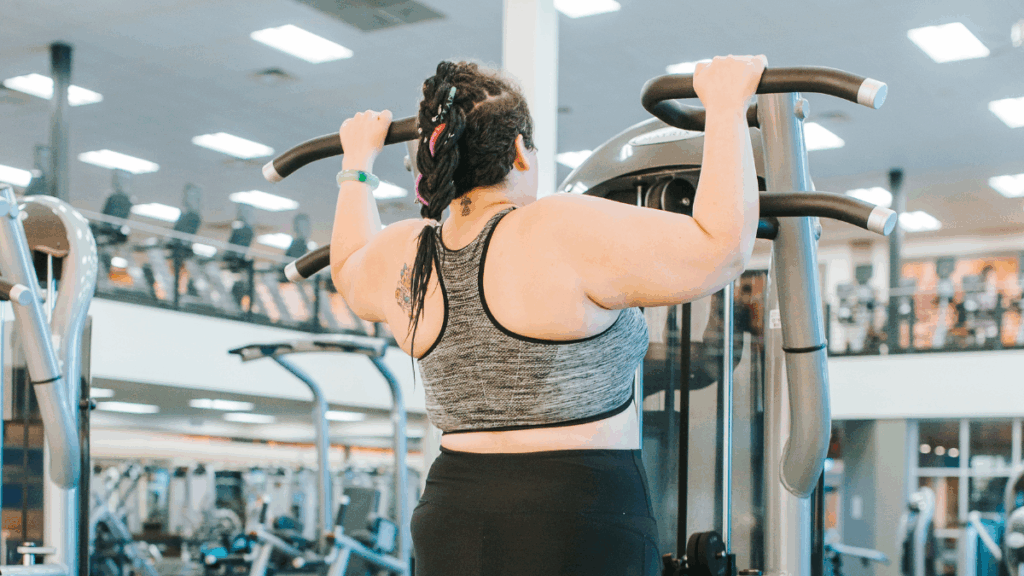
Several factors can slow muscle growth, but the good news is that short-term lapses usually don’t undo your progress.
Muscle needs progressive overload, gradually increasing weight, reps, or intensity, to keep growing, but missing a week or two, like on vacation, doesn’t cause you to lose all your gains. Short breaks are generally fine and can even help recovery. Research shows that a 1–2 week break in resistance training does not significantly reduce strength performance, suggesting that short breaks (like a vacation) don’t erase your gains.
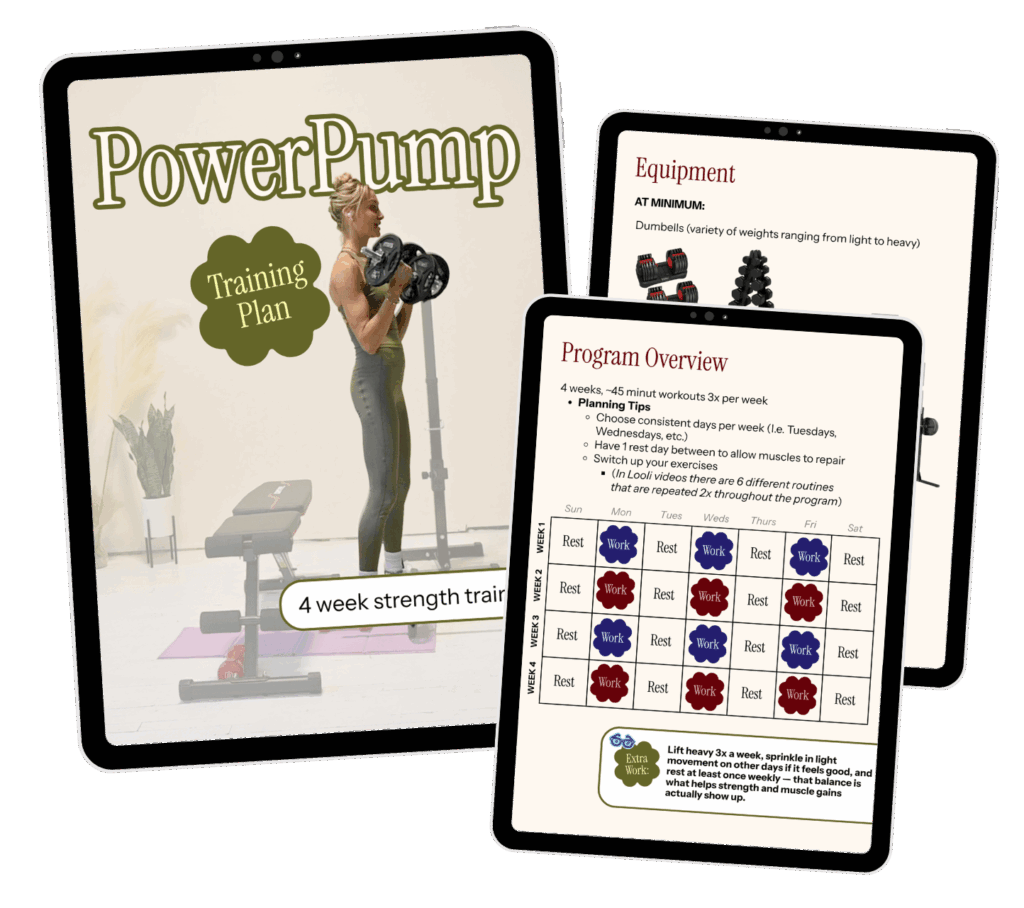
For our full guide on how to structure workouts for muscle growth and progressive overload download our free strength training plan:
Nutrition also matters: muscle protein synthesis slows if your body consistently lacks protein and calories, but occasional lower-protein meals or a single missed meal, like what happens on vacation, aren’t a problem.
What matters most is your overall daily and weekly protein intake, not a single meal. Most studies show benefits when people reach roughly 0.7–1 gram of protein per pound of body weight per day over time.
👀 Looking for more information on how much protein you need? Check out our blog post here.
Recovery matters: sleep and stress both influence how your muscles repair and grow. A few late nights here and there won’t undo progress, but chronic sleep deprivation over weeks can slow muscle repair and blunt gains by altering hormones and reducing muscle protein synthesis.
Bottom line: Short vacations, skipped workouts, or a lower-protein meal here and there won’t reverse your progress. Muscle responds to consistent training and nutrition over time — occasional breaks are normal and completely fine.

Does Muscle Make You Bulky?
Most people worry about “getting bulky,” but realistic gains are slow and gradual. Research shows measurable increases over months, not weeks, and extreme bulk usually requires years of intensive training, high-calorie diets, and sometimes supplements.
In other words: consistent training will make you stronger and more toned long before it makes you look “big.”
Can You Lose Fat While Building Muscle?
Yes, this is called body recomposition. Certain people experience it most easily:
- Beginners or returning trainees see rapid improvements because their muscles respond strongly to new stimuli.
- Individuals with higher body fat can lose fat while gaining muscle because stored energy supports growth.
Important note: this doesn’t require extreme dieting. For most people, practicing mindful eating and planning nutrient-rich meals provides a moderate, sustainable calorie deficit if you’re currently eating more than your body needs. This is a feel-good approach that won’t slow progress. Click here to learn how to use the Looli app for mindful eating.

How to Track Muscle Growth Without Getting Obsessed
Tracking changes in muscle can be tricky because 1 pound of muscle is hard to feel, and it’s distributed across many fibers in your body. Scale weight or body composition tools fluctuate with hydration, glycogen, and food intake, so they can be misleading.
Instead, research shows that the best long-term motivation comes from tracking strength and functional performance:
- Strength progression: Increasing reps or weight lifted is a strong indicator of muscle adaptation.
- Functional performance: Improvements in daily activities, jump height, balance, or endurance show meaningful, real-world muscle gains.
Focusing on these measures creates internal motivation, meaning you’re rewarded by feeling stronger and more capable, rather than obsessing over a number on the scale. This is proven to support long-term consistency.
Takeaways
- Muscle gain is slow but measurable. Beginners gain fastest; intermediates and advanced lifters progress more slowly.
- Early strength gains come from neural adaptations; hypertrophy follows with consistent training.
- Focus on progressive training, adequate protein, recovery, and mindful eating (Download our free strength training guide here)
- Monitor strength and functional performance for sustainable motivation.
Article Written By: Colleen Christensen, R.D.

Colleen is a non-diet Registered Dietitian based in Grand Rapids, MI. She is the founder of the social media brand “No Food Rules” where she is committed to debunking diet culture and nutrition myths through relatable humor.
Follow Colleen on social media:
Download The Looli App
Make your wellness a priority, inside and out!
Start your free 7 day trial and access more tools, resources, content, recipes, workouts and more.