
Deli Meat Decoded: How Concerned Should You Be?
If there’s one food that seems to instantly spark anxiety, it’s deli meat. One minute you’re making a quick turkey sandwich, the next you’re wondering if it’s somehow “giving you cancer.” Words like processed and carcinogenic get thrown around with very little explanation, and suddenly a completely normal lunch feels questionable.
So let’s clear that up. In this post, I’ll break down why deli meats are linked to cancer risk, how big that risk actually is, and what it means in real life—like whether eating a turkey sandwich for lunch all week is something you need to worry about. No fear-mongering, no ignoring the science—just clear, practical context.
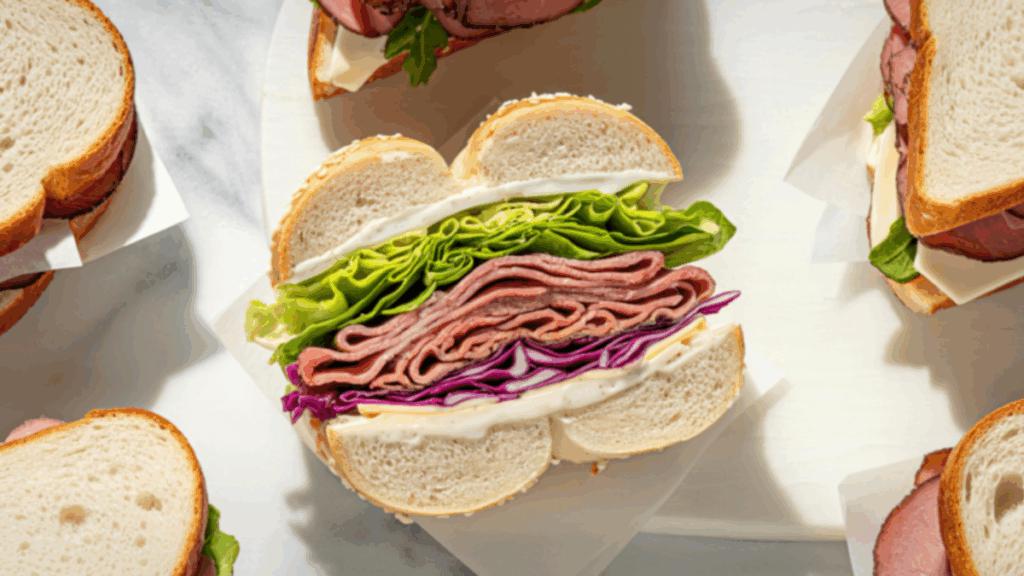
What Counts as Deli Meat (and What “Processed” Actually Means)
Before we talk about health risks, we need to clear up one word that causes a lot of confusion: processed.
Deli meats are meats that have been altered in some way to improve safety, shelf life, or flavor. That can include curing, salting, smoking, or adding preservatives. Common examples are turkey, ham, roast beef, salami, bologna, and chicken breast sliced at the deli counter.
Here’s the important part: processed is not a yes-or-no category. Processing exists on a spectrum.
On one end, you have minimally processed foods, like fresh meat or frozen chicken. In the middle—where most deli meats fall—you have oven-roasted turkey, chicken breast, or roast beef that’s been cooked and preserved so it can be safely stored and sliced. On the far end are more heavily processed meats like bacon, pepperoni, hot dogs, and salami, which are cured, smoked, or fermented and tend to contain higher levels of preservatives.
So while deli meats are more processed than fresh meat, they’re not automatically bad for you, and they’re not all the same. Where a deli meat falls on that spectrum matters when we talk about health risk—and that’s where the nuance usually gets lost.
Why Deli Meats Are Linked to Cancer Risk
When people hear that deli meats are “linked to cancer,” it usually traces back to one major source: the World Health Organization (WHO) and its cancer research arm, the International Agency for Research on Cancer (IARC).
A carcinogen is anything that can increase cancer risk under certain conditions. In 2015, IARC classified processed meat as a Group 1 carcinogen, meaning there is strong scientific evidence that it is linked to cancer—specifically colorectal cancer.
This category also includes things like alcohol, tobacco smoke, sun exposure, and certain occupations such as hairdressing, night-shift work, and woodworking, all of which have very different levels of risk.
Processed meats—including deli meats—were placed in this category because researchers found consistent evidence in humans. That means multiple large studies, conducted in different countries and populations, repeatedly showed the same pattern: people who eat more processed meat over long periods of time have a higher risk of colorectal cancer.
These studies don’t involve feeding people deli meat in a lab. Instead, researchers follow large groups of people for years—sometimes decades—tracking their eating habits and health outcomes. When the same association shows up again and again, and there’s also a biologically plausible explanation, scientists consider the relationship to be causal.
What causal means here is often misunderstood. It does not mean eating deli meat guarantees cancer, or that the risk is large. It means the association is unlikely to be random, and that higher intake is linked to higher risk over time. The magnitude of that risk—how much it actually changes someone’s chances—is the next, and arguably most important, part of the conversation.
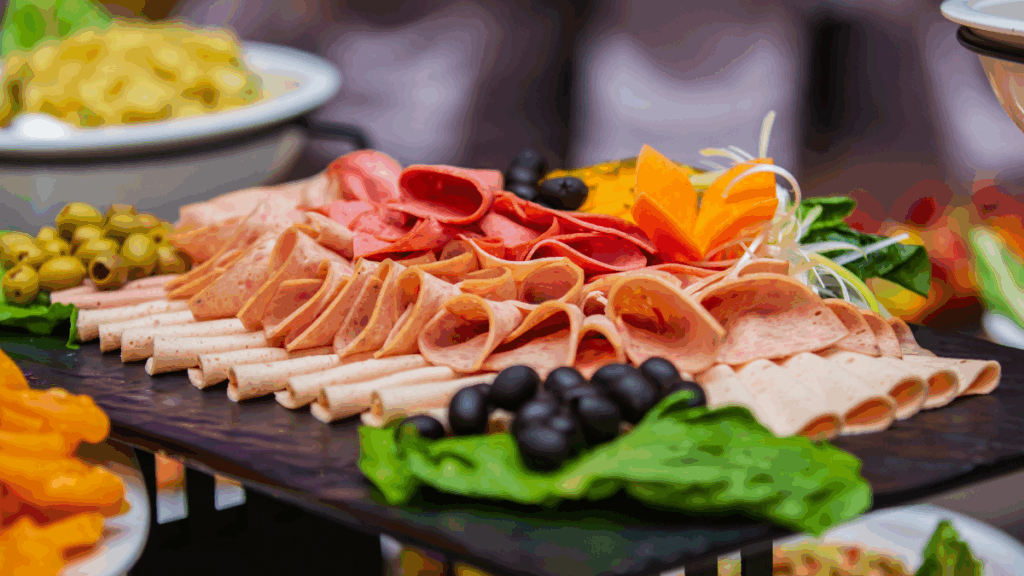
How Deli Meat Can Affect Your Body: Nitrites, Nitrosamines, and Digestion
So how does processed meat actually increase cancer risk? It comes down to preservatives called nitrates and nitrites, which are added to most deli meats to keep them safe from bacteria, preserve color, and enhance flavor. When you eat these compounds, your body can convert them into nitrosamines during digestion, and these are the molecules that research has linked to colorectal cancer.
The formation of nitrosamines is a natural result of the preservatives interacting with your body over time, which is why scientists describe the risk as dose-dependent: the more processed meat you eat regularly over many years, the higher your lifetime risk.
The practical takeaway is simple. Enjoying a turkey sandwich occasionally is very different from eating multiple servings every day for decades. Long-term patterns matter most, not single meals.
Free Meal Planning Guide
Not sure where or how to get started? Leave it to us!
Enter your email below and we’ll send you our balanced meal planning guide plus a full done-for-you plan.
How Big Is the Risk, Really?
The evidence is specific: the link is with colorectal cancer. Other cancers have not shown a consistent association.
In terms of numbers, the average lifetime risk of colorectal cancer is about 5%. Large studies suggest that higher intake of processed meat is associated with roughly a 15–20% relative increase in risk.
Put plainly, that means the risk goes from about 5% to roughly 6% over a lifetime — so the absolute increase is around 1%. That’s a small effect, and it helps put headlines into perspective.
What about a typical 4-ounce deli meat sandwich, which is roughly double the 50g portion often used in studies? Eating a sandwich like that occasionally or even daily for a short stretch makes virtually no meaningful difference in lifetime risk. The risk becomes relevant only when someone eats multiple servings of processed meat every day for decades.
The key takeaway is that moderate, flexible consumption is compatible with a balanced diet. Long-term patterns matter far more than single meals, so enjoying a turkey sandwich for lunch this week is completely fine.
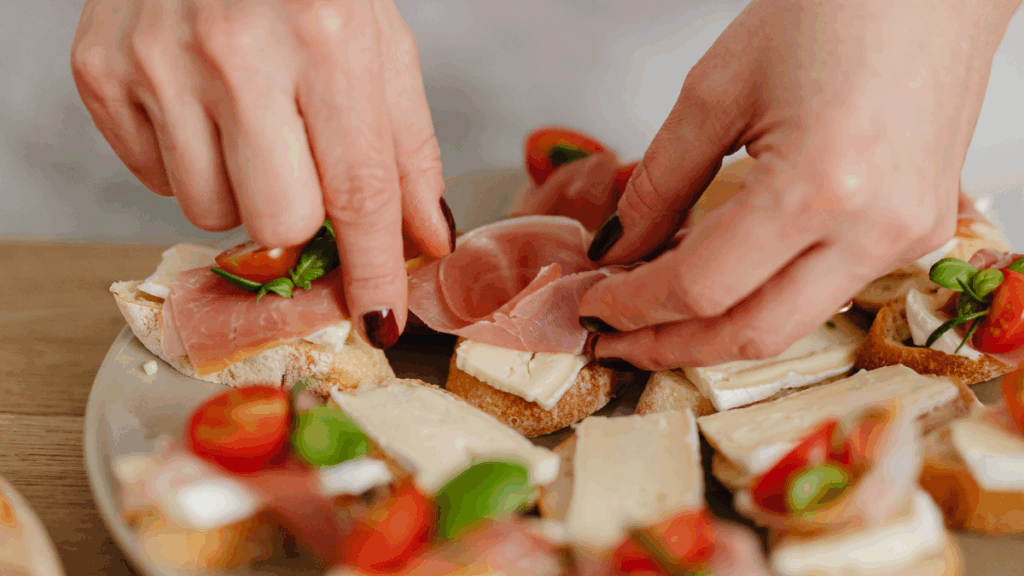
How Often Can You Eat Deli Meat?
Here’s the good news: moderation is key, and occasional consumption is fine. Studies showing increased colorectal cancer risk are based on long-term patterns, often looking at people eating processed meat daily over many years. Short-term or occasional intake does not meaningfully increase your risk.
For a typical 4-ounce turkey sandwich:
- Having one every day for a week → practically no impact on lifetime risk
- Having it daily for decades → the scenario where the small 1% absolute risk increase applies
The main takeaway is that you don’t need to avoid deli meat entirely. Instead, focus on rotating your protein source: chicken, eggs, fish, beans, yogurt, or fresh meat. That way, your long-term exposure to nitrates and nitrites is lower, without feeling restrictive or stressful.
In short: a turkey sandwich for lunch (even for 1 week period at a time) is completely compatible with a balanced, real-life diet. Risk accumulates over patterns, not single meals, so enjoy your sandwich without fear—but vary your proteins over the weeks.
Protein Packed Recipes
Meeting your daily needs is easy with our dietitian crafted recipes that provide you with the recommended amounts needed to stimulate and support muscle growth.

How to Choose a Better Deli Meat
When picking deli meat, the main thing to focus on is nitrates and nitrites, since these are the compounds linked to colorectal cancer. Look for options labeled “no nitrates or nitrites added”—these often use natural sources like celery powder instead of synthetic preservatives. Keep in mind, celery powder still contains nitrates, so it’s not a magic loophole, but it can slightly reduce overall exposure over time.
By “simpler” deli meats, we mean options that are minimally processed and contain fewer added ingredients. This includes:
- Deli-counter or packaged oven-roasted turkey, chicken breast, or roast beef without added preservatives or flavorings
- Cooking your own meat at home (like roasting chicken or turkey breast) and slicing it yourself
- Store rotisserie chicken – fresh, versatile, and free of added preservatives
Some packaged options readers can find at Target or Trader Joe’s:
- Trader Joe’s Oven Roasted Turkey Breast – Straightforward ingredients, organic, minimal additives.
- Applegate Farms Roasted Turkey Breast – Minimal ingredients, easy to find, good for sandwiches or wraps.
Heavily processed or cured meats, like salami, bologna, and pepperoni, tend to contain higher levels of preservatives, sodium, and added flavorings, so it’s best to save those for occasional use.
It’s also worth noting other nutrition factors. Many deli meats are high in sodium, which can add up if you’re eating several servings a day, and some may contain added sugars or flavorings. These don’t affect cancer risk directly, but they’re worth considering for overall health, blood pressure, or energy.
Key perspective: The risk from deli meats comes from overall consumption over decades—so even “regular” deli meat is fine to use. Rotating proteins, choosing minimally processed options for more consistent use, or slicing your own meat at home are realistic, evidence-based ways to enjoy deli meat while keeping long-term exposure low.
Putting Deli Meat Into a Balanced Pattern
Here’s the bottom line: you don’t need to panic about deli meat. The research shows a small absolute increase in colorectal cancer risk over a lifetime for people who eat processed meats daily for decades. For most of us, enjoying a turkey or chicken sandwich a few times a week—or even every day for short periods—makes virtually no difference in lifetime risk.
The key is overall patterns over decades, not individual meals.
Moderation and variety are your friends. Deli meat can be part of a real-life, flexible diet, enjoyed without guilt, as long as it’s balanced with other foods. This approach lets you still have your sandwiches, wraps, or salads, while keeping your long-term risk low and your meals practical and enjoyable.
Remember: it’s not about perfection—it’s about patterns, not panic. A sandwich here or there is fine; decades of obsessing over nitrites isn’t necessary.
Article Written By: Colleen Christensen, R.D.
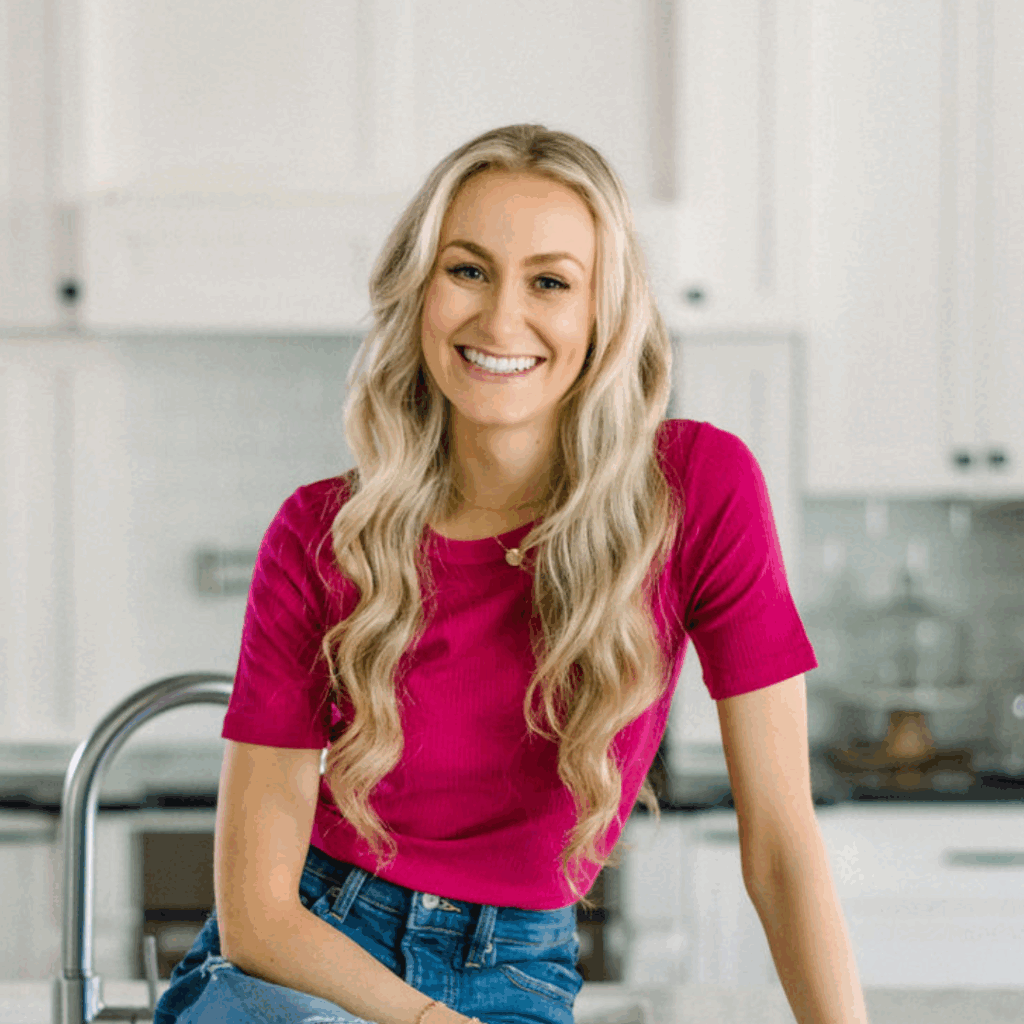
Colleen is a non-diet Registered Dietitian based in Grand Rapids, MI. She is the founder of the social media brand “No Food Rules” where she is committed to debunking diet culture and nutrition myths through relatable humor.
Follow Colleen on social media:
Download The Looli App
Make your wellness a priority, inside and out!
Start your free 7 day trial and access more tools, resources, content, recipes, workouts and more.