
Creatine: What It Is, How It Works, and Should You Take It?
When most people think of creatine, they picture gym bros and protein shakes. But here’s the truth: creatine isn’t just for bodybuilders — it’s one of the most extensively researched supplements with proven benefits for exercise performance, muscle health, aging, and even cognition.
As a registered dietitian, I’m often asked if creatine is “worth it.” The short answer: for many people, yes. The long answer? Let’s break down what creatine actually does, how it works, and what the science says about safety and effectiveness.
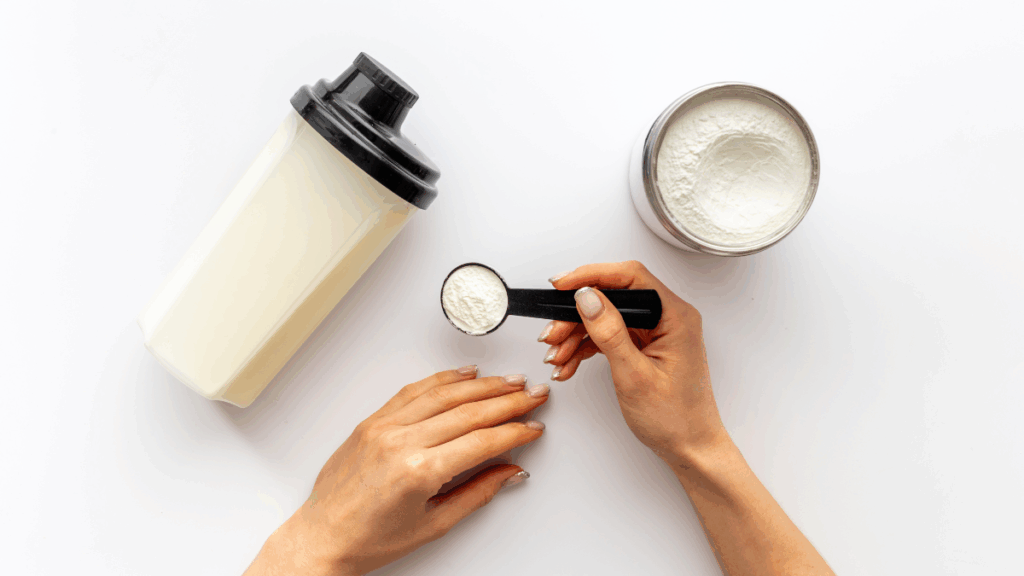
What Is Creatine?
Creatine is a compound naturally produced by your body from three amino acids — arginine, glycine, and methionine. About 95% of it is stored in your skeletal muscles as phosphocreatine, which helps quickly regenerate ATP (your body’s main energy currency) during high-intensity activity.
You also get small amounts of creatine through food, primarily red meat and fish, but the average diet provides only about 1–2 grams per day, which is often below what’s needed for full muscle saturation. That’s where supplementation comes in — creatine monohydrate is the most researched and effective form.
How Creatine Works in the Body
Think of creatine like a quick-charge battery for your muscles.
During short, intense activities (like lifting, sprinting, or jumping), your body relies on stored ATP for energy. Once those stores are depleted — usually within seconds — performance drops. Creatine helps recycle ATP faster, allowing your muscles to work harder and longer before fatigue sets in. It doesn’t directly “build” muscle. Instead, it helps you train harder and recover faster, which over time can support greater gains in strength and lean mass.

Subscribe To The Daily news
We dig into the headlines and give you the need-to-know facts… without the fear mongering click bait.
Evidence-Based Benefits of Creatine
Performance & Strength
Dozens of studies and multiple meta-analyses show that creatine improves strength, power, and high-intensity performance compared to placebo.
A meta-analysis of 22 studies found creatine supplementation increased maximal strength by ~8% and performance in high-intensity tasks by ~14%.
Muscle Mass
Creatine doesn’t just make you stronger — it can help increase lean body mass by improving training volume and muscle hydration.
Research has found an average ~1–2 kg increase in lean mass with creatine plus resistance training compared to training alone

Aging & Muscle Preservation
In older adults, creatine combined with resistance training supports muscle preservation and functional strength.
Studies showed older adults supplementing with 3–5 g/day of creatine had greater gains in lean mass and strength than placebo groups doing the same exercise programs.
Cognition & Brain Health
Emerging research shows creatine may also support brain energy metabolism.
A systematic review found small but significant improvements in memory and attention in certain populations — particularly under stress, fatigue, or in vegetarians who may have lower baseline creatine levels.
💡 Note: Many cognition studies use higher doses — typically 10–20 g/day for 1–6 weeks — to raise brain creatine stores. Lower daily doses (e.g., 3–5 g/day) may take much longer to show an effect in the brain.
Myths and Misconceptions
Let’s clear up some common misunderstandings:
- “Creatine causes bloating.”
- Most weight gain from creatine is due to increased intramuscular water — meaning inside your muscle cells, not under your skin. This can actually make muscles look fuller, not puffy.
- “Creatine hurts your kidneys.”
- Dozens of studies in healthy individuals show no harmful effects on kidney or liver function, even with long-term use up to 30 g/day for five years.
- “You have to load creatine.”
- Loading helps saturate muscles faster, but it’s optional, a bit old-school and can cause digestive upset. Taking 3–5 g/day consistently achieves full muscle saturation in about a month.
- “It’s only for men or athletes.”
- Research shows women and older adults benefit equally. Women may see improved recovery and muscle tone, while older adults benefit from improved strength and mobility.
How to Take Creatine
Creatine supplementation is simple and flexible. The most important factor is consistency, not timing or loading.
- Form: Creatine monohydrate (most studied and effective)
- Dose: 3–5 g per day is enough to increase and maintain muscle creatine stores.
- Loading phase: Optional. Some people choose to do a loading phase of 20 g/day split into 4 doses for 5–7 days to saturate muscles faster, but it is not necessary and can cause mild digestive discomfort for some. Most people skip loading and still see full benefits over a few weeks.
- Timing: Anytime that works for you. Pairing with a meal may slightly improve absorption, but daily consistency matters most.
- Hydration: Drink adequate water, as creatine draws water into muscle cells.
💡 Tip: If you’re new to creatine or sensitive to stomach upset, start with 2-3 g/day and gradually increase to 5 g/day as tolerated.
Who Should (and Maybe Shouldn’t) Take It
May Benefit Most:
- Athletes or active individuals wanting improved power and recovery
- Older adults seeking to maintain muscle and function
- Plant-based eaters with naturally lower creatine stores
- Anyone interested in improving resistance training results
Use Caution or Avoid If:
- You have kidney disease or impaired renal function
- You’re pregnant or breastfeeding (limited data available)
- You’re on medications that affect kidney function — check with your healthcare provider
What to Look for in a Supplement
When buying creatine, simple is best:
- Choose creatine monohydrate
- Avoid proprietary blends or added stimulants
- Ensure third-party testing (NSF Certified for Sport, Informed Choice, or USP Verified)
“I do a mix of powder and gummies, depending on my mood. Create brand has tasty third-party tested gummies in a variety of flavors. The powder is most affordable in bulk on Amazon.” – Colleen Christensen, Registered Dietitian of No Food Rules. (If you’d like to try Create gummies you can get 20% off here)
Bottom Line / Takeaway
Creatine is safe, effective, and well-supported by decades of research. It’s not just for bodybuilders — it’s for anyone looking to enhance performance, support muscle health, or maintain strength with age.
Recommended dose:
👉 3–5 g/day of creatine monohydrate (with or without a short loading phase)
Safety note: Always check with your healthcare provider if you have a medical condition or take medications affecting kidney function.
With consistent use and a balanced approach to nutrition and movement, creatine can be a simple, science-backed addition to your wellness routine.
Article Written By: Colleen Christensen, R.D.

Colleen is a non-diet Registered Dietitian based in Grand Rapids, MI. She is the founder of the social media brand “No Food Rules” where she is committed to debunking diet culture and nutrition myths through relatable humor.
Follow Colleen on social media:
Download The Looli App
Make your wellness a priority, inside and out!
Start your free 7 day trial and access more tools, resources, recipes, workouts and more.



Is it safe for kids around the age of 13?
Thanks for asking! Creatine is generally studied in adults and most research focuses on people 18 and older. There’s limited research on children around 13, so it’s not usually recommended for kids unless under the guidance of a healthcare professional or sports dietitian. Safety, dosage, and individual health factors need to be considered carefully.
For younger teens interested in supporting muscle or performance, focusing on balanced nutrition, protein from food, and regular training is the safest approach.