
The Science of Cold: How It Regulates The Nervous System
You’ve probably seen it on social media: people plunging into icy water at all hours, claiming it’s life-changing.
Cold exposure isn’t just a trend or a test of willpower — it’s a way to actually train your nervous system, helping your body handle stress, improve focus, and even feel calmer afterward.
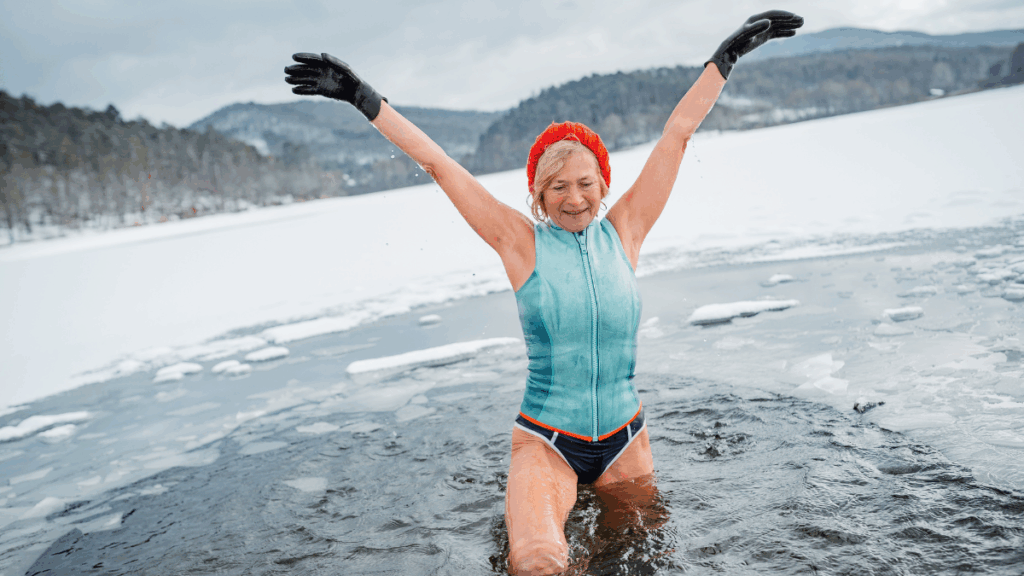
How Cold Exposure Regulates the Nervous System
When your body hits cold — whether it’s a cool shower, splashing your face with ice water, or rolling a cold pack on your neck — it immediately activates the sympathetic nervous system, which is your body’s “fight or flight” system. Your heart rate rises, breathing quickens, and stress hormones like cortisol and norepinephrine spike to help you cope.
This acute response is normal and healthy, and studies have shown that even short-term cold-water immersion reliably increases these stress hormones as part of the body’s natural adaptation.
Once the initial cold shock passes, your parasympathetic nervous system — the “rest and digest” system — takes over. Heart rate slows, muscles relax, and a sense of calm often follows. Repeated cold exposure has been shown to strengthen this recovery response, increasing parasympathetic activity and improving heart rate variability, which is a key marker of nervous system balance.
Even small, localized cold exposures can provide this nervous system benefit without subjecting your whole body to extreme cold.
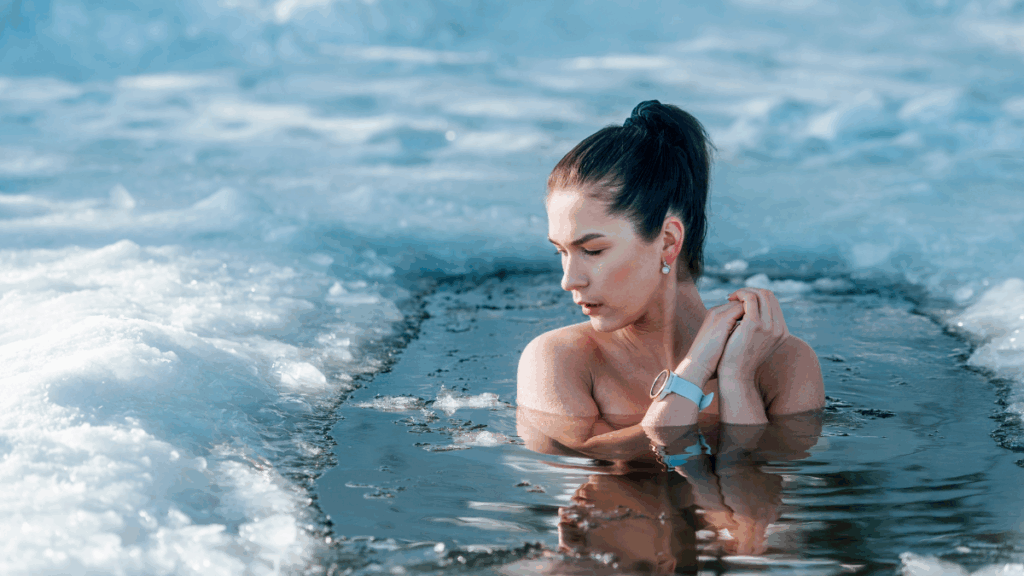
Other Benefits of Cold Exposure
Beyond regulating the nervous system, cold exposure can support mood, focus, and even physical recovery. When your skin and body sense cold, norepinephrine and other neurochemicals are released, which can increase alertness, improve attention, and give a natural mood boost.
Studies of cold-water immersion show that these neurochemical changes are linked to improved stress coping and mental clarity.
Cold exposure also affects inflammation and recovery. Short bouts of cold can reduce inflammatory markers in the body, helping muscles recover after exercise, while repeated exposure trains the body to adapt to stress without overreacting.
Different Types of Cold Exposure
There are a variety of different ways to trigger this beneficial stress-recovery cycle.
Full-body immersion, like a cold plunge, produces a strong sympathetic spike followed by a parasympathetic rebound. This intense activation can improve stress resilience over time, but it can also be physically demanding and isn’t ideal for everyone, especially those with cardiovascular concerns.
Moderate cold exposure, such as cool showers or brief exposure to cold air, provides similar nervous system benefits with less strain. Studies show that even these gentler forms of cold activate sympathetic responses while allowing parasympathetic recovery, making them accessible for people who are new to cold therapy or already experiencing chronic stress.
Localized cold, like applying a cold pack or rolling ice over the face, sides of the neck, or chest, targets key nerves involved in parasympathetic activation. These small, repeatable exposures are effective ways to get the calming and resilience-building effects of cold without risking overactivation.
Cold Exposure and Women’s Hormones
You may have heard claims that cold exposure is “bad for women’s hormones.” The truth is more nuanced, and most concerns come from misinterpreted research rather than real-world effects.
Some animal studies have shown that prolonged cold stress in rodents can alter reproductive hormone levels and affect ovarian function. In these experiments, “prolonged cold” means the animals were exposed continuously for hours at a time, often in near-freezing conditions (4–10°C / 39–50°F), every day for several days or weeks.
This is very different from the short cold exposures humans typically do for wellness, like a 1–5 minute cool shower, a brief face or neck ice roll, or even a 2–10 minute ice bath.
The “extreme cold” in these studies refers to temperatures near freezing, without the opportunity for gradual adaptation. In contrast, moderate cold exposure — like short showers, brief plunges, or localized cold to the face or neck — is much safer and does not carry the same stress on the reproductive system.
Human studies examining women who regularly participate in cold-water exposure have found no consistent changes in menstrual cycles or hormone disruption.
In short, the idea that cold exposure harms women’s hormones comes mostly from extreme animal studies and misunderstandings of normal, short-term stress hormone spikes. Moderate, controlled cold exposure appears safe for most women and can still provide the nervous system and mood benefits that make cold therapy so popular.

Key Takeaways and Practical Tips
Cold exposure is a tool for training your nervous system, helping your body handle stress, improve focus, and promote calm. You don’t need extreme ice baths to get benefits — even short, moderate exposures like cool showers, splashing your face, or using a cold pack on the neck can stimulate the sympathetic and parasympathetic systems, engage the vagus nerve, and support mood and recovery.
Practical tips to get started safely:
- Start small and gradual: cool showers, brief face or neck exposure, or a short plunge.
- Observe your body: pay attention to heart rate, breathing, and how you feel afterward.
- Consistency over intensity: regular moderate exposure builds nervous system resilience better than rare extremes.
- Pair with deep breathing to enhance parasympathetic activation and recovery.
Used thoughtfully, cold exposure is a simple, effective way to train your stress response, improve mood, and support overall nervous system health — without freezing yourself or risking your hormones.
Article Written By: Colleen Christensen, R.D.

Colleen is a non-diet Registered Dietitian based in Grand Rapids, MI. She is the founder of the social media brand “No Food Rules” where she is committed to debunking diet culture and nutrition myths through relatable humor.
Follow Colleen on social media:
Download The Looli App
Make your wellness a priority, inside and out!
Start your free 7 day trial and access more tools, resources, content, recipes, workouts and more.