

Analog Bags: Doom‑Scrolling Antidote

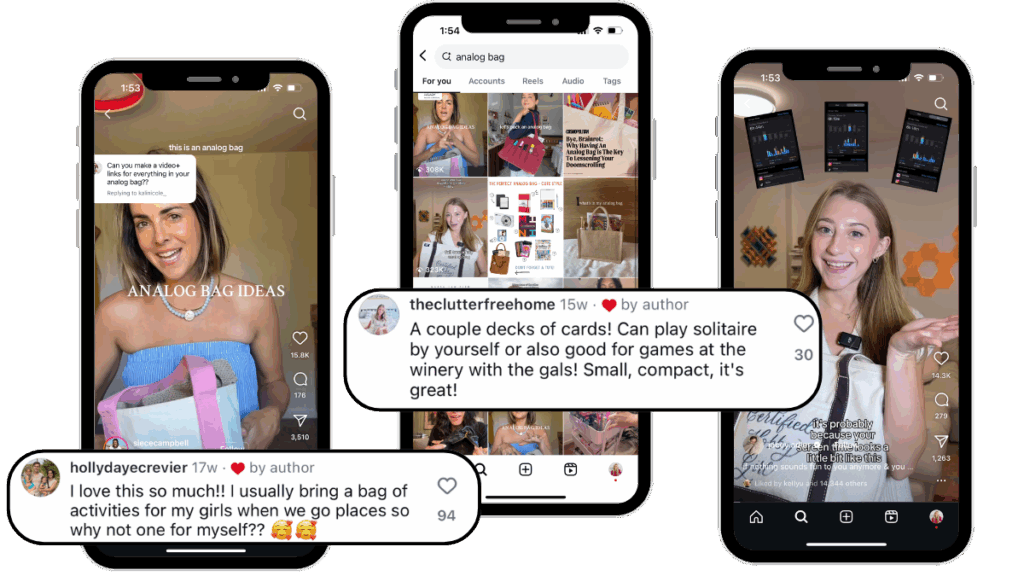
If you’ve spent any time on TikTok or Instagram lately, you may have come across a growing trend: analog bags. Creators are touting them as a simple but powerful tool for breaking compulsive phone habits.
One popular creator summed it up bluntly: “If nothing sounds fun to you anymore & you have the urge to scroll even though it doesn’t feel good, you need to make an analog bag!”
Another describes it as the #1 thing they use to stay off their phone.
But beyond catchy slogans and aesthetic flatlays, there’s real science showing why this might matter — for attention, creativity, and even mental health.
What Is an Analog Bag?
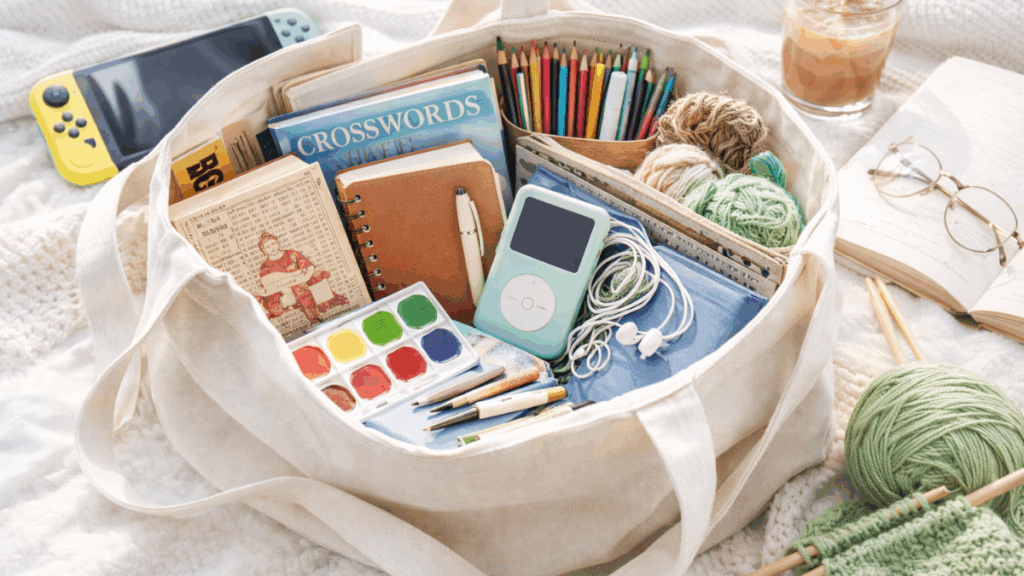
An analog bag is exactly what it sounds like: a bag filled with screen‑free activities meant to be pulled out instead of your phone. It might include items like:
- A paperback novel or poetry collection
- Crossword or puzzle books
- Watercolors and brushes
- Knitting supplies
- A journal and pen
- Old‑school portable music players
The goal isn’t to be trendy — it’s to pre‑plan joy and engagement so you’re less tempted to doom‑scroll out of habit or boredom.
Why Are People Turning Away from Screens?
Even before TikTok algorithm fatigue became a meme, researchers were documenting real mental health trends tied to social media and screen overuse.
Social media use is nearly universal — and growing
Up to 95% of U.S. teens say they use at least one social media platform, and a large proportion report being online “almost constantly” — even though this usage isn’t always positive.
Connections to mental health symptoms
Research on adolescents and young adults found a significant, positive association between social media exposure and various mental health issues.
High or problematic use linked with distress
Studies show that frequent or compulsive social media engagement correlates with higher rates of anxiety, depressive symptoms, and psychosocial health problems — particularly among adolescents with addictive usage patterns.
Widespread concerns, even from health authorities
The U.S. Surgeon General and other health organizations have highlighted that while social media can have benefits, its widespread use coincides with rising mental health concerns among youth, prompting advisories on mindfulness in digital engagement.
Putting a Name to the Problem
People don’t just complain about doom‑scrolling being boring — there are behavioral mechanisms at play:
- Algorithms are designed to capture attention
- Notifications trigger reward pathways in the brain
- Habit loops reinforce quick dopamine hits from scrolling
Together, these condition users to reach for their phones reflexively — even when it doesn’t feel good — making intentional, offline alternatives feel radically different. This is why something as simple as a bag full of books and pencils can feel refreshing: it interrupts those conditioned habits with more intentional and meaningful engagement.
Why Something as Simple as an Analog Bag Helps
Analog activities aren’t just nostalgic — they’re psychologically beneficial.
Leisure activities boost well‑being
Research on leisure and mental health shows that engaging in activities for pleasure — particularly creative ones — is linked to improved resilience and fewer psychological symptoms. This fits with theories like the broaden‑and‑build model, where positive emotions expand mental resources and build coping skills over time.
Mindfulness counters compulsive phone use
Studies show that mindfulness — the act of intentional, present‑moment awareness — is associated with lower levels of problematic smartphone use. Intentional breaks from screens (like a digital detox) can strengthen self‑regulation, reducing compulsive checking.
Creative and tactile hobbies reduce stress
Engaging in art, crafts, reading, or journaling isn’t just a distraction — research indicates it can lower stress and enhance subjective well‑being, especially when practiced regularly.
What’s Going in an Analog Bag — and Why It Works
Here’s why the common items people slip into their bags make sense psychologically:
- Books & journals — encourage focused attention and reflection
- Crosswords & puzzles — induce flow states (deep absorption) and cognitive engagement
- Watercolors & crafts — offer sensory, hands‑on activity linked to reduced stress
- Music devices — allow mood regulation without screens
These items replace the instant reward loops of social apps with experiences that are intrinsically rewarding and self‑directed.
Bottom Line
Analog bags aren’t just a passing trend — they reflect a deeper cultural desire to slow down, reconnect with tactile experiences, and reclaim attention from digital noise. Backed by research on mental health, leisure activity, and behavior change, this movement taps into something both psychological and practical: when we make mindful choices about how to spend our downtime, we often feel better than we do swiping through endless feeds.
Morning Report Podcast
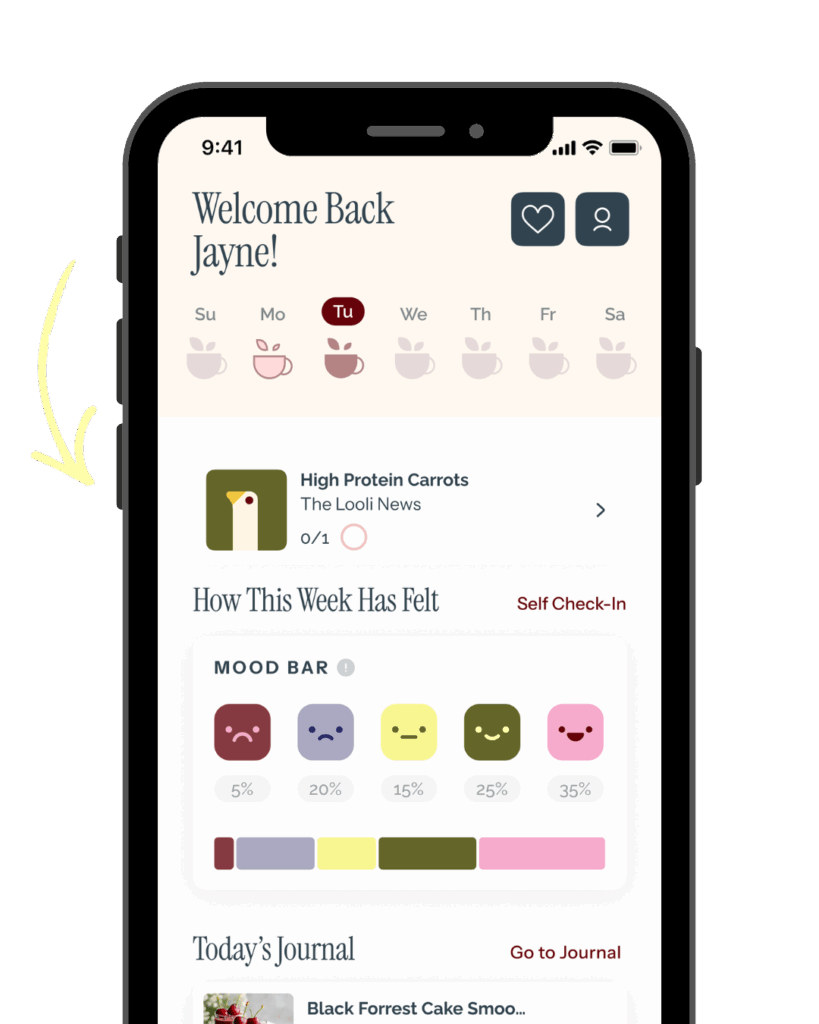
A short-and-sweet minute morning episode Monday-Friday covering all 3 daily news stories. Exclusively in the Looli App.