
TikTok is Lying! Minimalist Haircare Giving Maximum Results
Watch:
Listen:
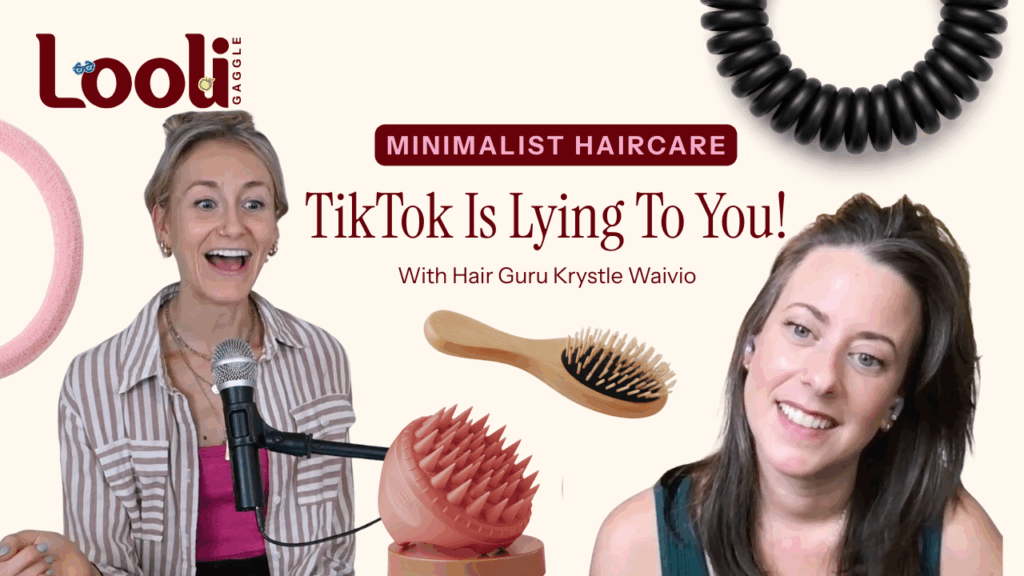
Krystle Waivio is a self-proclaimed minimalist when it comes to hair care — and with over 22 years as a professional hairstylist, she’s learned that more products don’t equal better hair. In this conversation, Krystle breaks down what actually supports healthy hair, what’s overhyped, and how to simplify your routine without sacrificing results.
Meet Krystle
Krystle Waivio is a professional hairstylist with more than two decades of experience specializing in cuts and bridal styling. Based in Holland, Michigan, she works as a solo artist, cuts hair part-time, and serves as a lead hair and makeup artist for destination weddings through The Elopement Co. Her work has been featured in Modern Salon’s Top 100 Stylists and Australian Vogue, and today she balances salon work, education, and destination styling with a seasonal lifestyle focused on creativity, balance, and longevity.
Haircare Q & A
Do slick-back buns or ponies cause damage?
They can — but usually only when they’re worn too tightly, done repeatedly without variation, or secured with elastics that pull and snap hair. Krystle recommends rotating styles and using hair ties designed to reduce tension and breakage, like hook hair ties (https://amzn.to/3La4rsS) or soft fabric elastics such as these from Goody (https://amzn.to/4qSUUWa).
How often should you wash your hair?
There’s no universal rule. How often you wash depends on your scalp’s oil production, how much product you use, and your hair type. Krystle encourages people to stop following trends and instead ask, “Is what I’m doing actually working for me?” Signs that it’s not include itchiness, flakiness, or small bumps along the scalp or hairline. For most people, going much longer than seven days without washing can compromise scalp health — but if seven truly works for you and your scalp feels good, that’s okay.
What is hair oiling — and is it helpful?
Hair oiling has been practiced for centuries, but it’s often misunderstood. Coconut oil, for example, is popular for its antibacterial properties but is also highly comedogenic, meaning it can clog pores and lead to breakouts. One common mistake is applying oil directly to dry hair, which can actually block moisture instead of adding it. Krystle explains that moisture should come first — typically through conditioner — and oil should only be used afterward to seal it in. Shampoo opens the hair cuticle to cleanse, conditioner adds nutrients and moisture, and then seals the cuticle back down. Cleansing creams like No Poo (https://amzn.to/4pCRNAu) or NewWash (https://amzn.to/4qSMkqs) skip traditional suds and function more like a cleansing balm, which can work well for some hair types.
Do bamboo brushes stimulate hair growth?
Not directly. Bamboo brushes have antibacterial properties and softer bristles, but the brush itself isn’t what drives growth. What matters more is gentle scalp stimulation and minimizing breakage. Krystle recommends using a wide-tooth comb to detangle, starting at the ends and working your way up. Tools like a Tangle Teezer can be helpful, and scalp scrubbers or massagers can assist with lathering in the shower — though they’re optional. Boar bristle brushes, made from natural fiber, help distribute your scalp’s natural oils through the hair for natural moisture and shine (https://amzn.to/4qjwLrL). High-frequency brushes fall into a similar category and are generally unnecessary.
What do hair gua shas do?
Hair gua shas are designed to stimulate the scalp rather than the face. They help increase blood circulation and activate hair follicles, supporting overall scalp health. Krystle notes that while they’re not essential, they can be a helpful addition for people who enjoy scalp massage. A head gua sha tool she likes can be found here: https://amzn.to/4jCLlbo.
What does rosemary oil do?
Rosemary oil is often used to support hair growth and is believed to have antibacterial properties that benefit scalp health. When used appropriately, it can be a useful addition to a simplified routine. Krystle references this rosemary oil option: https://amzn.to/4pGy7fo.
Favorite hair tools, according to Krystle
When it comes to tools, Krystle keeps it simple and reliable. Hot Tools is her favorite overall line (https://amzn.to/4sKxmEM), she regularly uses a Dyson hair dryer (https://amzn.to/3YET1Ak), and prefers GHD for flat irons (https://amzn.to/4qTi1jt).
What if a brand you use starts getting bad press or lawsuits?
Krystle encourages people not to panic. Lawsuits often stem from improper use, using products on the wrong hair type, or unrelated health factors like medications. It doesn’t automatically mean a product is unsafe. She continues to confidently use Olaplex despite past scrutiny and notes that other brands, like Monat, have faced similar situations.

Krystle’s personal haircare routine
Krystle washes her fine hair every two to three days and prioritizes shampoo and conditioner above all else. She uses Surface Hair Care, choosing brands that are cruelty-free and vegan, and focuses on scalp-health formulas. She always washes twice — the first wash breaks up oil and buildup, while the second actually cleans the hair. A moisturizing conditioner helps reduce static, and when blow-drying she uses Kenra blow-dry spray. For texture, she likes AG Volumizing Paste for a lived-in, second-day feel, and she dries her hair with a Dyson dryer. On non-wash days, she uses K18 Dry Wash — a wet shampoo rather than a traditional dry shampoo.
Her non-negotiables for healthy hair
Double cleansing and conditioning are essential, along with regular trims. If you’re trying to grow your hair, Krystle recommends a small dusting every eight to ten weeks. If you’re maintaining a specific style, closer to every four to six weeks is ideal.
A hair myth she wishes people would stop believing
“Dirty hair styles better” simply isn’t true. Stylists add whatever texture or grip is needed using the right products — like the volumizing paste Krystle uses on her bridal clients — regardless of how clean the hair is.
The takeaway
Healthy hair doesn’t require chasing every trend or owning a shelf full of products. A simplified routine, good scalp care, and listening to what actually works for your hair will always matter more.
Want to go deeper?
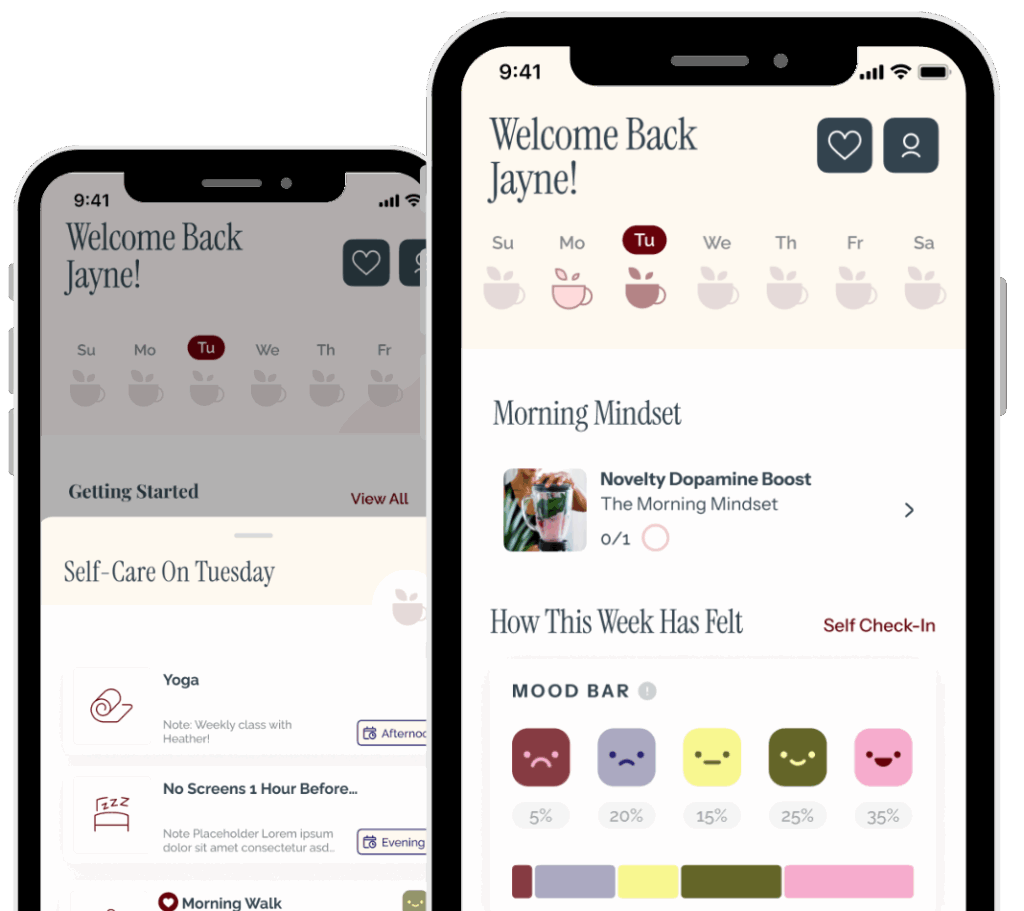
We also recorded an extended version of this conversation exclusively for those with access to the Looli app. In that episode, we cover the biggest haircare bad habits, how to tell if your hair is damaged, whether damaged hair can truly be repaired, natural ways to support healthy hair, essential oils, how hair changes as we age, and seasonal differences between summer and winter haircare.
Download The Looli App
Make your wellness a priority, inside and out!
Start your free 7 day trial and access more tools, resources, content, recipes, workouts and more.