
Is Beef Tallow Better? Facts VS Hype
Whether you’re scrolling through social media or reading about the new U.S. Dietary Guidelines, you’ve probably noticed beef tallow popping up more often. Once a kitchen staple, this old-school cooking fat is getting renewed attention for its rich flavor, high smoke point, and “back-to-basics” appeal — and it’s often positioned as a better alternative to modern cooking oils.
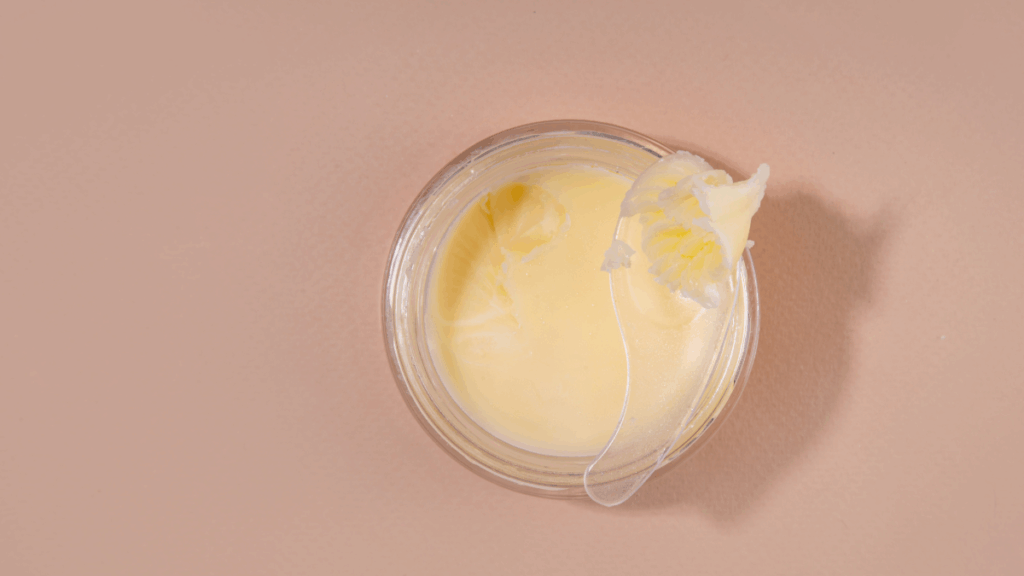
But what exactly is beef tallow, and how does it actually stack up nutritionally? In this post, we’ll break down what tallow is, what it provides (and what it doesn’t), how it compares to other common cooking fats, and what all of this means for real-life cooking choices.

What Is Beef Tallow?
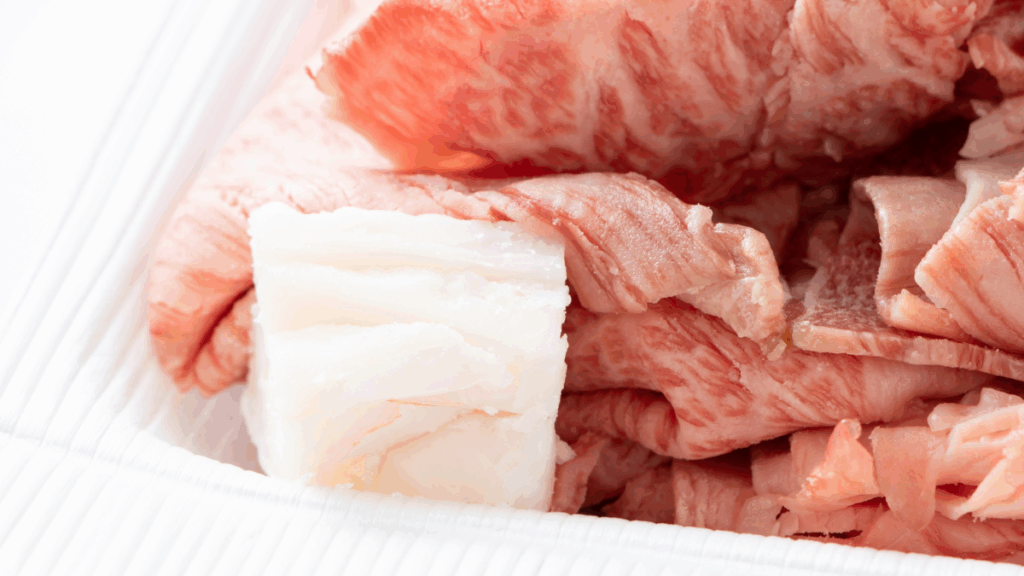
Beef tallow is rendered fat from cows. It’s most commonly made from suet, the firm fat found around the kidneys and loins, though other beef fat can be used as well. Once rendered, tallow is solid at room temperature and melts when heated.
To make beef tallow, raw beef fat is slowly heated until the fat liquefies and separates from any moisture and solid pieces. The liquid fat is then strained and allowed to cool, forming a smooth, shelf-stable cooking fat. While the process itself is fairly simple, the final product can vary depending on the quality of the fat and how it’s rendered.
In the kitchen, beef tallow is used for frying, roasting, sautéing, and baking. It has a high smoke point and a rich, savory flavor, which is why it has historically been used for everything from roasted vegetables to pastries — long before liquid vegetable oils became widely available.
Beef Tallow Nutrition Profile
Beef tallow is almost entirely fat and contains no protein, carbohydrates, or fiber.
What matters nutritionally is the type of fat it contains. Beef tallow is made up of saturated fat, monounsaturated fat, and small amounts of polyunsaturated fat.
Saturated Fat
Saturated fat is a type of dietary fat that is solid at room temperature and commonly found in animal fats and some tropical oils.
Saturated fat is a normal component of human cell membranes, and the body is capable of producing it on its own. Unlike essential fats, saturated fat does not need to come from the diet.
Research consistently shows that higher intakes of saturated fat raise LDL (“bad”) cholesterol in many people, which is why intake limits are recommended.
Beef tallow contains about 6–7 grams of saturated fat per tablespoon, making up roughly 50% of its total fat content.
The U.S. Dietary Guidelines recommend limiting saturated fat to less than 10% of total daily calories. On a 2,000-calorie diet, that equals about 20 grams per day, meaning one tablespoon of beef tallow provides roughly 30–35% of that daily limit.
Monounsaturated Fat (MUFAs) and Oleic Acid
Monounsaturated fats (MUFAs) are a category of fat that is typically liquid at room temperature and found in both plant and animal foods.
The primary monounsaturated fat in beef tallow is oleic acid, which is the same predominant fat found in olive oil. Oleic acid has been widely studied for its effects on blood lipids. Research shows that replacing saturated fat with monounsaturated fat is associated with improved cholesterol profiles, particularly lower LDL cholesterol.
Beef tallow is made up of approximately 40–45% monounsaturated fat, or about 5–6 grams per tablespoon.
Polyunsaturated Fat (PUFAs), Including Omega-6 and Omega-3
Polyunsaturated fats (PUFAs) include omega-6 and omega-3 fatty acids, which are classified as essential fats because the body cannot produce them on its own.
Omega-6 fatty acids (linoleic acid) are required for normal skin function, growth, and cell signaling, and play a role in immune and inflammatory processes.
Omega-3 fatty acids (alpha-linolenic acid) are involved in brain and nervous system function and are required for normal growth and development.
Replacing saturated fat with polyunsaturated fat has been associated with lower cardiovascular disease risk in large population studies and clinical trials.
Beef tallow contains very small amounts of polyunsaturated fat, making up only about 3–5% of its total fat content, and provides trace amounts of omega-6 and omega-3, but is not considered a meaningful dietary source of essential fatty acids.

How Beef Tallow Compares to Other Cooking Oils
When looking at different cooking fats, the main differences are in types of fat, essential fatty acids, and functional properties.
Beef tallow is roughly 50% saturated fat, 40–45% monounsaturated fat (mostly oleic acid), and only a small amount of polyunsaturated fat (~3–5%). In comparison, butter is similar but slightly higher in saturated fat and lower in monounsaturated fat.
Olive oil, on the other hand, is primarily monounsaturated fat, with oleic acid making up about 70–75% of the total fat. It has lower saturated fat than tallow and very small amounts of polyunsaturated fat.
Canola oil contains mostly monounsaturated and polyunsaturated fats, including meaningful amounts of omega-3 and omega-6 fatty acids, making it one of the few common cooking oils that provide essential fatty acids in substantial amounts.
Sunflower oil is high in polyunsaturated fats, primarily omega-6, and low in saturated fat.
In terms of essential fatty acids, tallow contributes very little, whereas oils like canola and sunflower provide linoleic acid (omega-6) and, in some cases, alpha-linolenic acid (omega-3), which are required for normal growth, skin health, and nervous system function.
From a functional standpoint, tallow is solid at room temperature and has a high smoke point, which makes it suitable for frying, roasting, or sautéing. Liquid oils like olive and canola are versatile for dressings, sautéing, or low-to-medium-heat cooking, while sunflower oil’s high polyunsaturated content makes it better for medium heat and cold applications.
Finally, there are practical considerations like cost and availability. Beef tallow tends to be slightly more expensive and less widely available than common cooking oils, often sold in specialty stores or online. Oils like olive, canola, and sunflower are widely available in most supermarkets at a lower cost per volume. For context, beef tallow at Walmart is ~$1/ounce compared to $0.36/ounce for olive oil and $0.08/ounce for canola oil.

Tallow Takeaway
Beef tallow is a highly concentrated fat, primarily made up of saturated and monounsaturated fat, with very small amounts of polyunsaturated fats and essential fatty acids. While it is not a nutrient-dense fat compared to oils like olive or canola, which provide more essential fatty acids, it can still be used in cooking for its flavor, stability at high heat, and texture.
In practical terms, tallow can be one of several fats used in the kitchen, particularly for frying, roasting, or sautéing, where its solid structure and high smoke point are beneficial. Because it contains minimal essential fatty acids, it’s important to also include other fats in your diet — such as vegetable oils, nuts, seeds, or fatty fish — to ensure you meet your body’s needs for omega-6 and omega-3 fatty acids.
In short, beef tallow is not a superfood, but it can be a useful and enjoyable part of a balanced diet when used thoughtfully alongside other sources of fat.
Article Written By: Colleen Christensen, R.D.

Colleen is a non-diet Registered Dietitian based in Grand Rapids, MI. She is the founder of the social media brand “No Food Rules” where she is committed to debunking diet culture and nutrition myths through relatable humor.
Follow Colleen on social media:

Free Meal Planning Guide
Not sure where or how to get started? Leave it to us!
Enter your email below and we’ll send you our balanced meal planning guide plus a full done-for-you plan.