
Why Obesity Skyrocketed From 40 to 70%

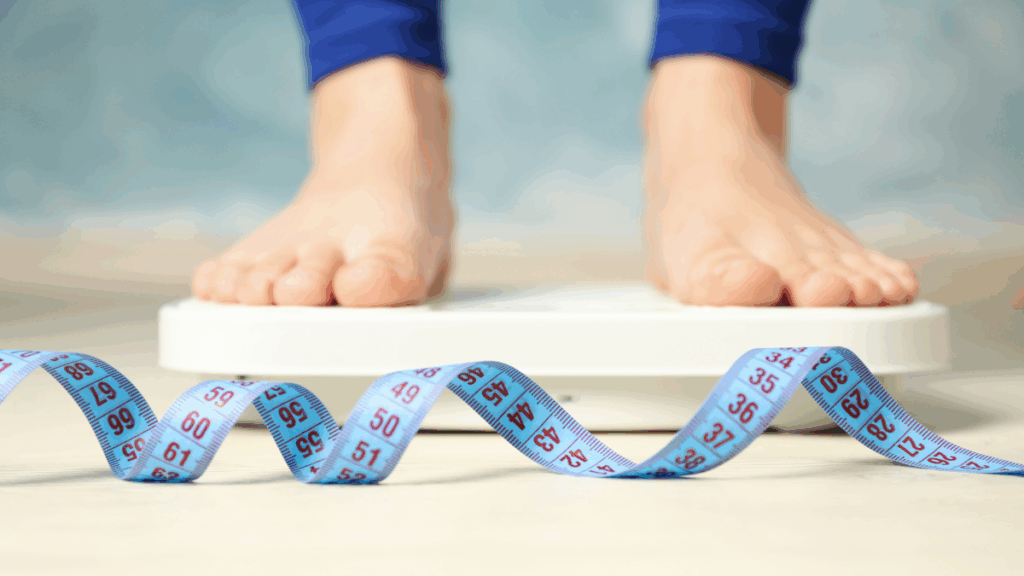
We’ve long relied on BMI to define obesity, but a new study from Mass General Brigham suggests it doesn’t tell the whole story. By factoring in waist circumference, waist-to-hip ratio, and waist-to-height ratio — not just total weight — researchers found that nearly 70% of U.S. adults meet the criteria for obesity under this expanded definition.
Why BMI Isn’t Enough
BMI is convenient, but it cannot differentiate between fat and muscle or show where fat is stored. And where fat accumulates matters: central fat (around the waist and organs) is linked to higher cardiometabolic risk than fat elsewhere.
Studies confirm that waist-to-height ratio (WHtR) and waist circumference are better predictors of diabetes, heart disease, and mortality than BMI alone.
The Mass General Brigham study found that many people with normal BMI but high abdominal fat are newly classified as obese, capturing hidden health risks.
Key Findings
- Obesity prevalence jumps: 68.6% under the new criteria vs 42.9% using BMI alone.
- Hidden risk groups: Normal-weight individuals with central adiposity are at higher risk for metabolic and cardiovascular disease.
- Age effect: Older adults, particularly over 70, are disproportionately affected.
- Health implications: Those newly identified as obese have higher rates of diabetes, heart disease, and mortality.

Morning Report Podcast
A short-and-sweet minute morning episode Monday-Friday covering all 3 daily news stories. Exclusively in the Looli App.
Caveats and Limitations
- The study shows associations, not causation; it did not measure lab values, metabolic markers, or direct health outcomes.
- Results are based on U.S. adults; other populations may differ.
- Lifestyle and behavioral factors were not fully controlled, so other contributors to health risk may be involved.
Everyday Takeaways
- Look beyond BMI: Measure waist circumference or waist-to-hip ratio to get a clearer picture of health risk.
- Think holistically: Even if your weight is “normal,” factors like movement, diet, sleep, and stress heavily influence long-term health.
- Modern life challenges: Efficiency and automation mean we rarely move for daily survival, and hustle culture leaves little time for self-care. It’s our fast-paced lifestyles, not laziness, that often increase health risk.

Bottom Line
The new obesity definition highlights that BMI is limited, and that nearly 7 in 10 U.S. adults may have high-risk fat distribution. While this helps identify hidden risks, it also reminds us that health is multifaceted: body composition, lifestyle habits, and long-term behaviors all matter. Measuring more than just your weight — and intentionally prioritizing holistic self-care — is key to staying healthy in a modern, high-speed world.

Download The Looli App
Make your wellness a priority, inside and out!
Start your free 7 day trial and access more tools, resources, content, recipes, workouts and more.