
Can High-Fat Diets Cause Liver Cancer?

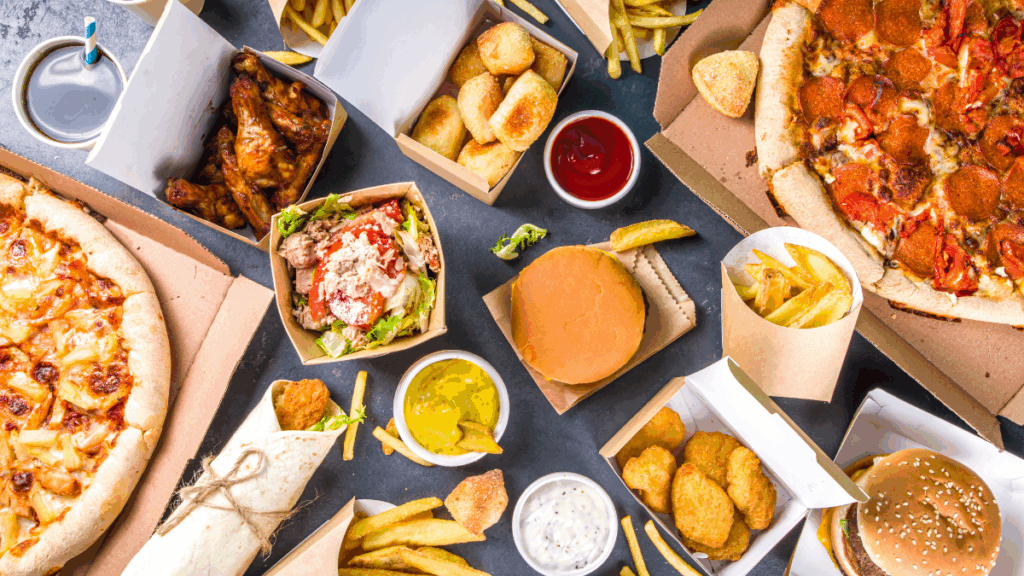
We all indulge in fries, burgers, or a buttery dessert every now and then. But what happens if high-fat foods become a daily habit over months or years? A new study from MIT suggests that long-term high-fat diets can fundamentally reprogram liver cells, potentially increasing the risk of liver cancer. Before you panic, there are some important caveats: this study was conducted in mice, and many real-world dietary factors weren’t tested.
What the Study Found
The researchers discovered that liver cells exposed to chronic high-fat intake can shift into a stem-cell-like survival state. In this state, cells survive harsh metabolic conditions better but also become more vulnerable to tumor formation. The team identified transcription factors — proteins that regulate gene activity — that control this cellular reprogramming. These could be targets for future therapies aimed at reducing cancer risk.
How It Works: The Mechanism
Normally, hepatocytes are highly specialized for tasks like detoxification and metabolism. Under repeated fat stress, these cells revert to a more primitive, stem-like state. This adaptation helps them survive, but it also loosens the regulatory controls that normally prevent uncontrolled growth — a potential first step toward cancer development.
While similar gene expression changes have been observed in human liver tissue, this research is still preliminary and mechanistic, meaning it shows a possible way liver cells respond to stress rather than proving a direct cause-effect relationship in humans.
Chronic vs. Short-Term Exposure
The study emphasizes chronic exposure, meaning long-term, repeated stress over weeks or months in mice. Short-term indulgences, like holiday meals or a weekend of rich food, are unlikely to trigger these changes. In humans, the timeline from fatty liver to cancer can take years or decades, and is influenced by genetics, exercise, alcohol, and other lifestyle factors.
What This Means for Everyday Life
- Long-term patterns matter: Persistent, high-fat diets may push the body to adapt in ways that are ultimately less than helpful.
- Balance is key: Eating a variety of vegetables, fiber, and healthy fats supports liver health over time.
- Occasional treats are fine: Short-term indulgences won’t have the same effect as chronic high-fat exposure.
- Research for the future: Identifying transcription factors controlling this cellular reprogramming could lead to therapies for fatty liver disease and liver cancer.
Bottom Line
The MIT study doesn’t tell us exactly what fat levels or types are safe for humans, nor does it give direct dietary advice. What it does do is reveal a mechanism: chronic high-fat diets can push liver cells into a survival state that increases vulnerability to cancer.

Morning Report Podcast
A short-and-sweet minute morning episode Monday-Friday covering all 3 daily news stories. Exclusively in the Looli App.