
Carrots, The Next High-Protein Hack?

Scientists are turning what’s normally thrown away — carrot processing leftovers — into a high‑quality, sustainable protein source that may even taste better than some plant‑based alternatives. This breakthrough could be an important step toward more efficient, circular food systems as global demand for nutrition grows.
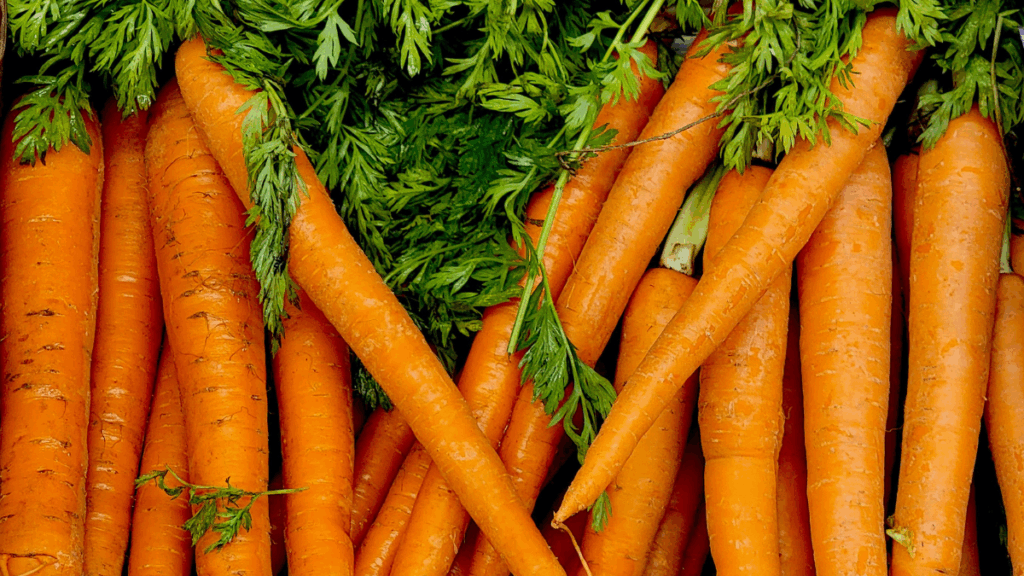
From Waste to Nutrition: How It Works
Researchers published in the Journal of Agricultural and Food Chemistry investigated whether side streams from carrot processing — the bits leftover after carrots are used for food products or natural colorants — could be repurposed as a growth medium for fungi.
Instead of harvesting the mushroom fruiting bodies, the team focused on the mycelium — the root‑like network of edible fungi. Mycelium grows rapidly and efficiently, converting nutrients from the carrot waste into fungal biomass rich in protein and other nutrients.
The fungus chosen for this work was Pleurotus djamor (pink oyster mushroom). Out of 106 fungal strains tested, this species produced some of the highest biomass and protein yield when grown on carrot side streams.
Protein and Nutritional Profile
The optimized mycelium in the study contained high levels of protein, with measured protein contents of about 31.0 ± 5.9 g per 100 g dry biomass on one carrot medium and 21.6 ± 1.9 g per 100 g on another. These figures indicate that the fungal protein is nutrient‑dense and comparable to common dietary proteins in dry weight.
In addition to protein, the mycelium was also reported to be low in fat and contain fiber levels similar to other edible fungi — suggesting it does more than just deliver protein; it also contributes dietary fiber, which can support digestive health.
The study notes that the mycelial protein had biological values similar to animal and plant proteins, meaning it can be effectively absorbed and used by the human body.
Taste Tests: Mycelium vs Traditional Plant Proteins
To test real‑world applicability, researchers made vegan patties and sausage analogs using the carrot‑grown mycelium:
- Patties were formulated by replacing soy protein with 0%, 25%, 50%, 75%, or 100% mycelium.
- In sensory evaluations of texture, taste, and aroma, patty formulations made entirely from mycelium were preferred over those made entirely from soy protein.
- The team also compared vegan sausages made with either chickpeas or fresh mycelium, and the mycelium‑based sausages were generally preferred for smell and taste.
These findings suggest that this novel protein source could not only match but potentially exceed the consumer appeal of some widely used plant proteins.
Why This Matters: Sustainability and Food Security
This research points toward a more circular and sustainable food production system:
- Reduces food waste: Carrot processing leftovers get new life as a nutritious food ingredient.
- Lowers environmental impact: No additional farmland or intensive agricultural inputs are needed compared with conventional crops or livestock.
- Addresses nutrition needs: With rising global hunger and protein demand, efficient use of existing by‑products could help improve food security.
Because the process uses food industry side streams rather than new land or feed crops, it offers a way to reduce the environmental footprint associated with protein production.
Are Mycelium Foods Already Available?
While the specific carrot‑grown mycelium protein from this study is still in the research phase, mycelium‑based foods are already commercially available and expanding:
- Products like MyBacon and MyPulledPork, made from oyster mushroom mycelium, are on grocery shelves nationwide through retailers such as Whole Foods Market and others. These provide plant‑based protein and fiber with simple ingredient lists and are marketed as sustainable meat alternatives.
- MyForest Foods, the company behind these products, has scaled production significantly, with mycelium bacon available in 2,500+ locations in the U.S. and growing.
These existing products demonstrate that mycelium proteins are moving beyond the lab and into consumer kitchens, even if carrot‑specific variants are still emerging.
What’s Next?
The research published in the Journal of Agricultural and Food Chemistry opens the door for future innovations:
- It shows that agricultural side streams can be upcycled into nutritious food ingredients without sacrificing taste or mouthfeel.
- Future work will likely explore scaling production, regulatory approvals, and broader consumer acceptance for new mycelium products.
Final Takeaway
A novel approach using carrot processing waste to grow fungal mycelium has produced a high‑protein, high‑fiber, and tasty protein ingredient with potential benefits for sustainability and nutrition. While it’s still early in commercialization, this research highlights how smart food science can turn waste into opportunity — making every carrot count.

Morning Report Podcast
A short-and-sweet minute morning episode Monday-Friday covering all 3 daily news stories. Exclusively in the Looli App.